

There’s a particular kind of hobby optimism that appears whenever a new paint range arrives.
You look at the unfinished squad on your desk. You look at the new colours. Suddenly, you’re convinced that this is it. This is the red that will finally get those Blood Angels finished.
The other reds on the shelf politely say nothing.
With 150 paints across 30 colour groups, Warhammer Tone Pro offers plenty to tempt a painter. But you don’t need to clear a shelf or buy five pots of everything to get started.
Let’s find a few colours you’re excited to use, give each one a job, and get some paint on that waiting model.
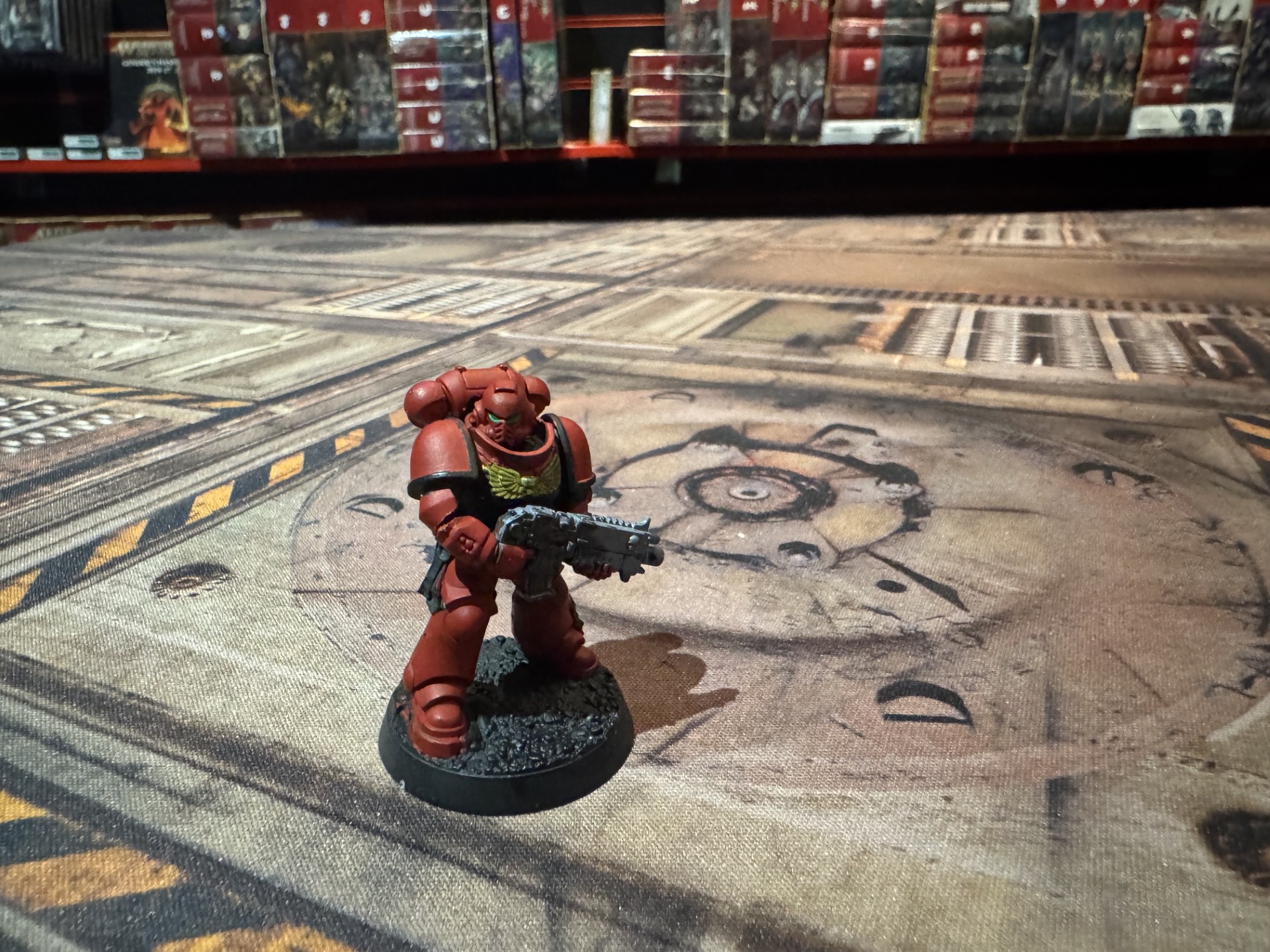
We’ve already shared our Tone Pro first impressions, including the Blood Angels Space Marine we painted with our samples. Here, we’re getting practical: which pots should go in your basket?
Start with the model you can’t wait to paint
Perhaps it’s a Space Marine captain with a ridiculous amount of gold trim. Perhaps it’s a Tyranid with an armoured shell you’ve been itching to paint purple. Or perhaps it’s the last three soldiers in a squad you started so long ago that the first seven are wondering where everyone went.
Choose that project first.
Then look for its biggest area of colour: armour, skin, a cloak or a monster’s shell. That’s a useful place to try a new range because you’ll actually see what the paints can do.
Check what else the model needs, too. Three lovely reds won’t paint the bolter, boots and base. Your Space Marine may be ready to defend the galaxy, but we should probably finish his trousers first.
For help with preparing the model, priming and the first painting steps, our beginner’s guide to painting miniatures covers the whole process.
How the Tone Pro numbers work
Each colour group has five numbered paints:
- 1 is the darkest.
- 5 is the lightest.
- In most groups, 3 sits in the middle.
Think of them as colours to choose from, rather than five compulsory steps.
The main colour you paint onto an area is your base colour. Darker paint adds shadows in gaps and folds. Lighter paint picks out edges and raised details, helping the shape stand out.
That’s what the numbered tones help you plan. You can start with 2, use only 3, 4 and 5, or bring in colours from another group.
The model doesn’t know which numbers you bought. It just wants to stop being grey.
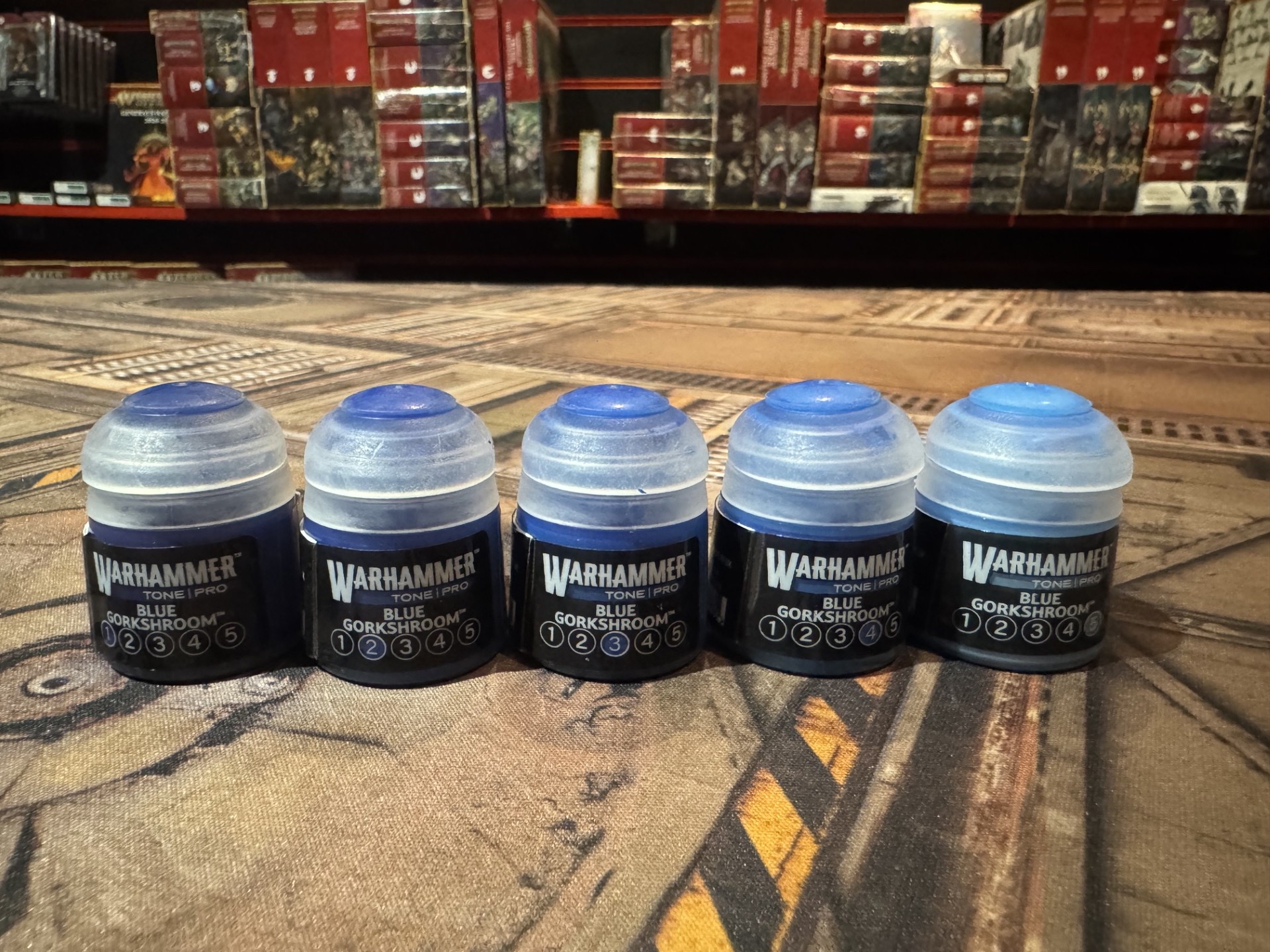
Browse these colour families from the Tone Pro range, then choose the numbered tone on the product page. Each paint selection is one individual 12ml pot, not a five-pot set.
Reds, yellows and natural tones
-

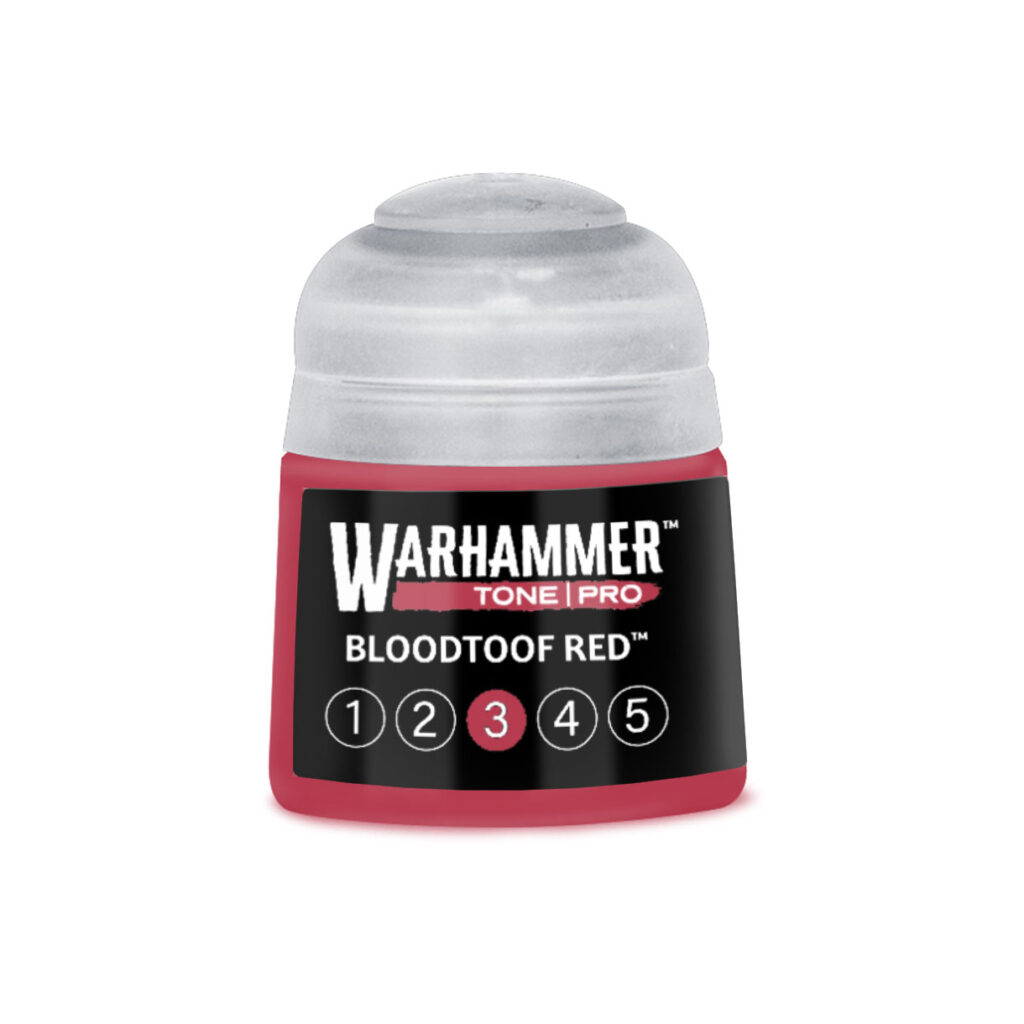
Warhammer Colour: Tone Pro Bloodtoof Red 12ml
£3.69 -
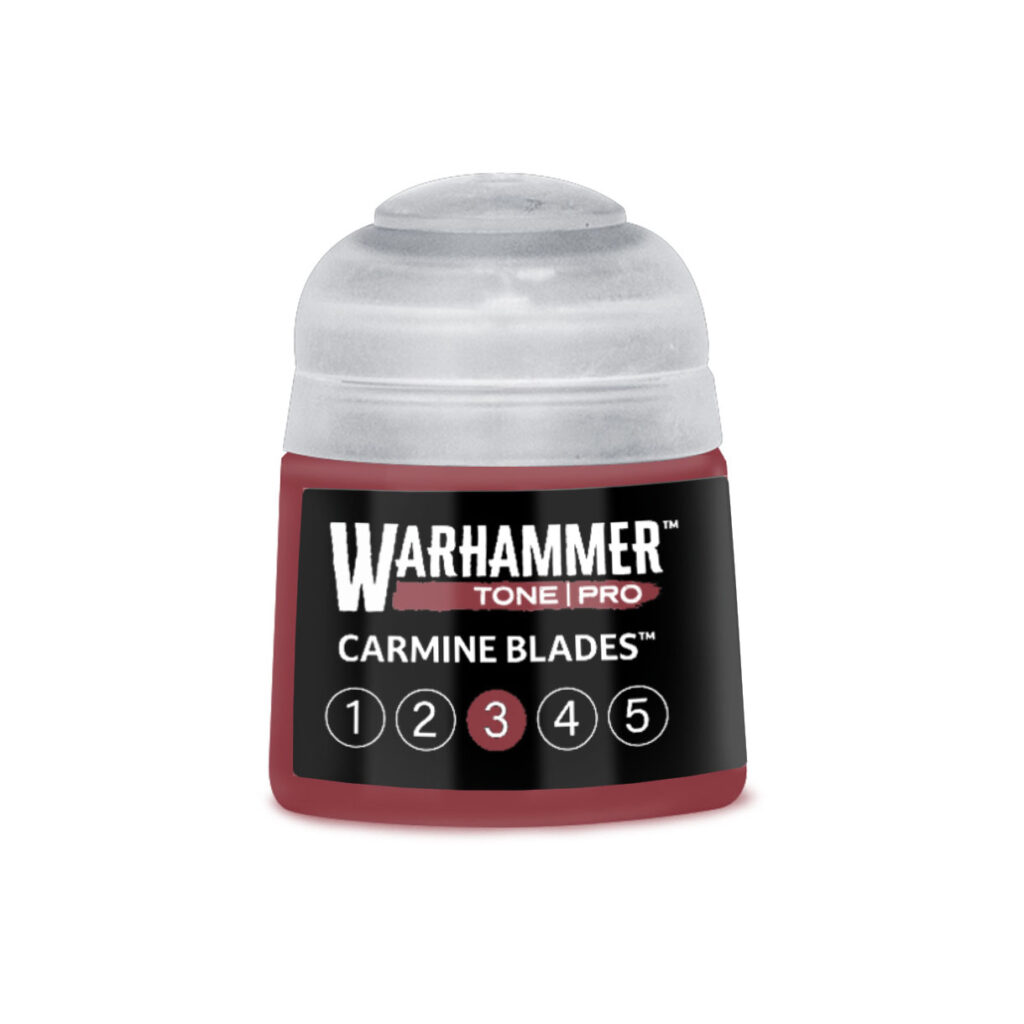
Warhammer Colour: Tone Pro Carmine Blades 12ml
£3.69 -
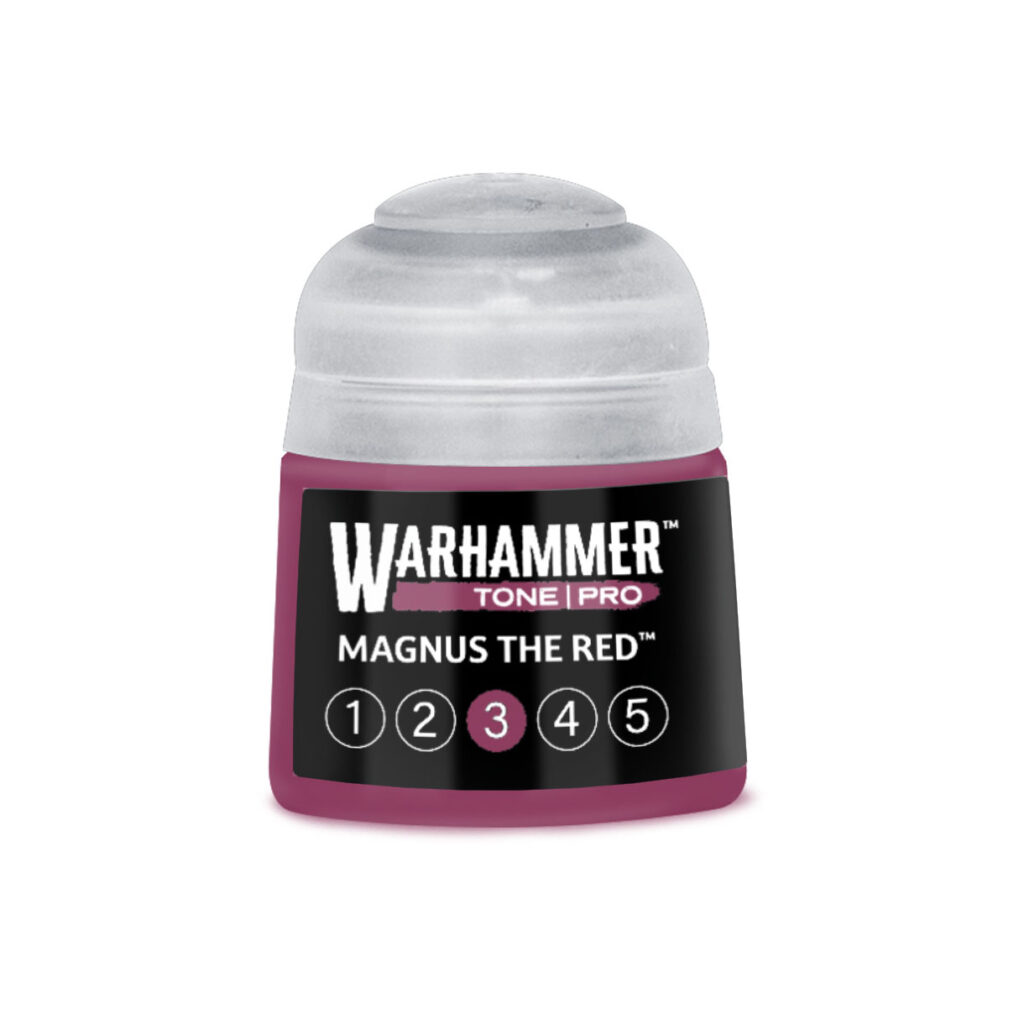
Warhammer Colour: Tone Pro Magnus the Red 12ml
£3.69 -
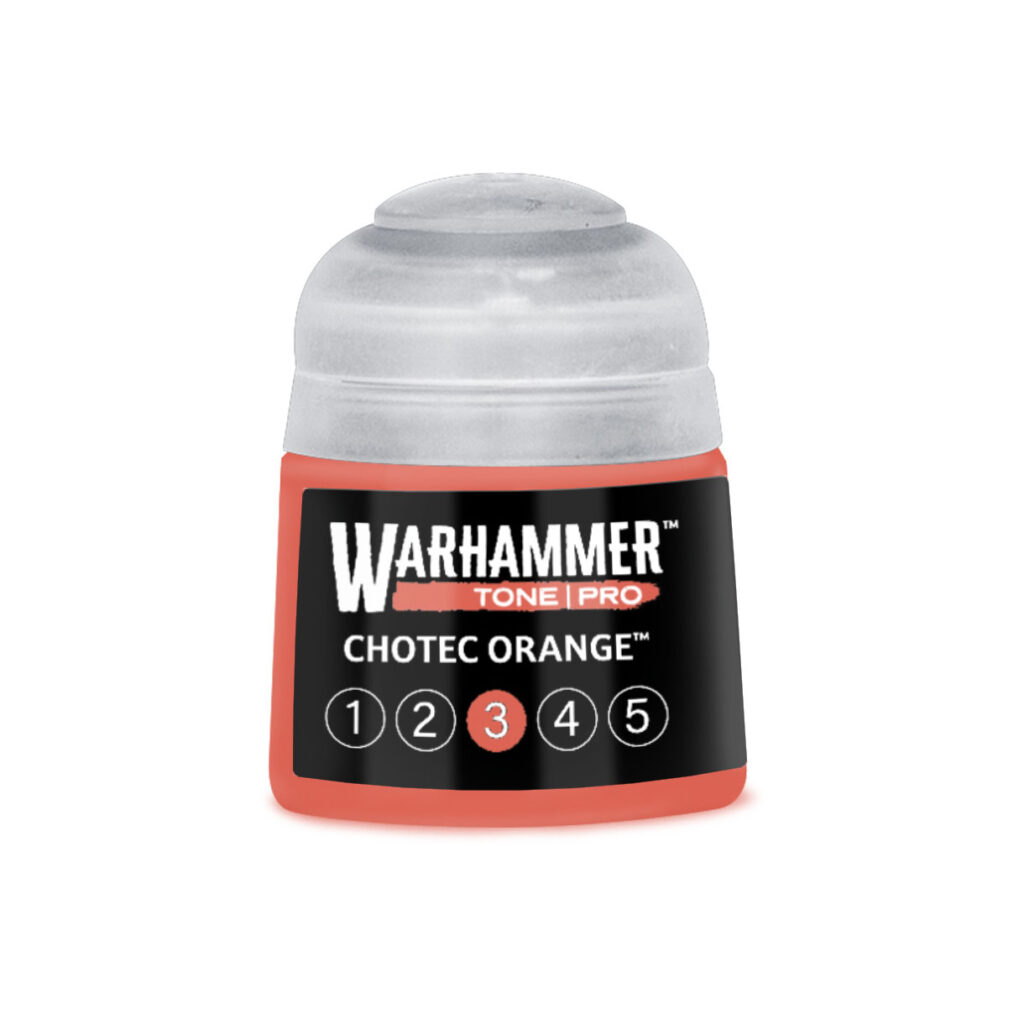
Warhammer Colour: Tone Pro Chotec Orange 12ml
£3.69 -
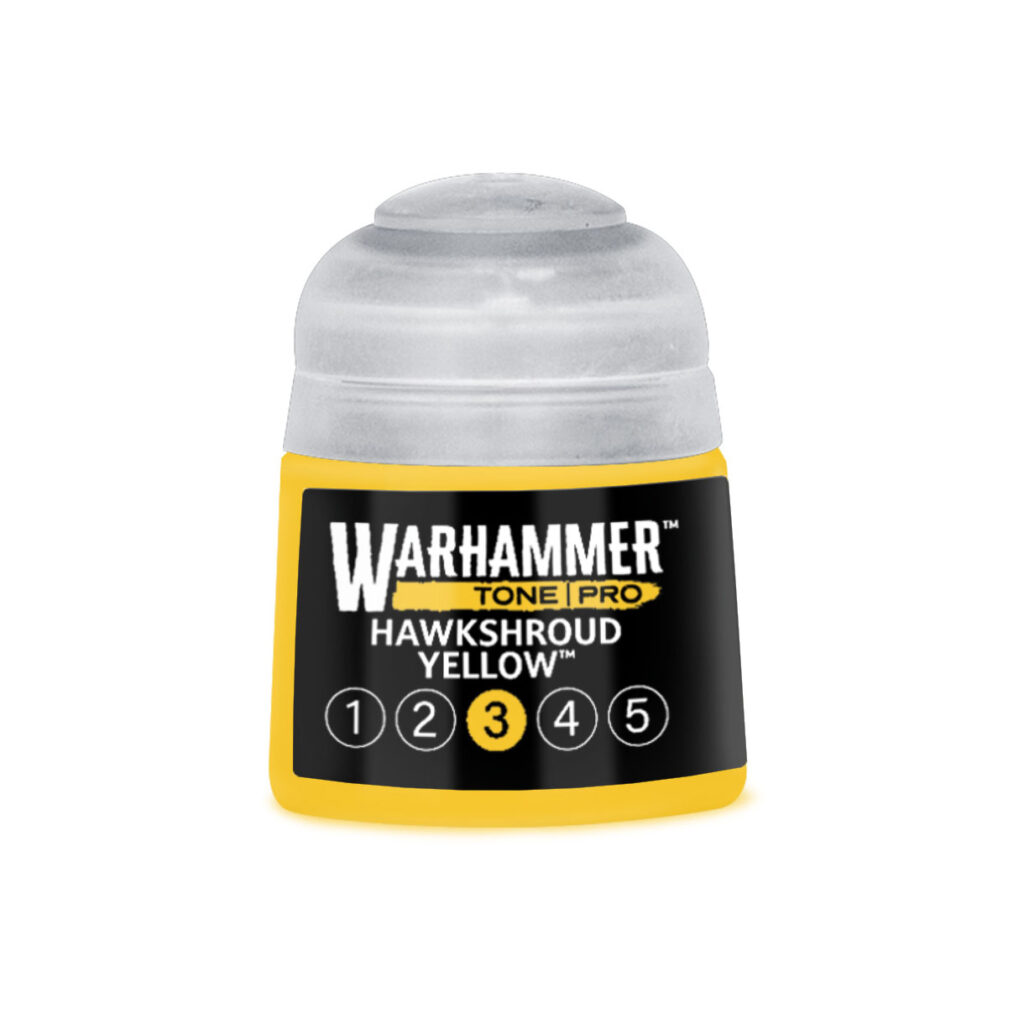
Warhammer Colour: Tone Pro Hawkshroud Yellow 12ml
£3.69 -
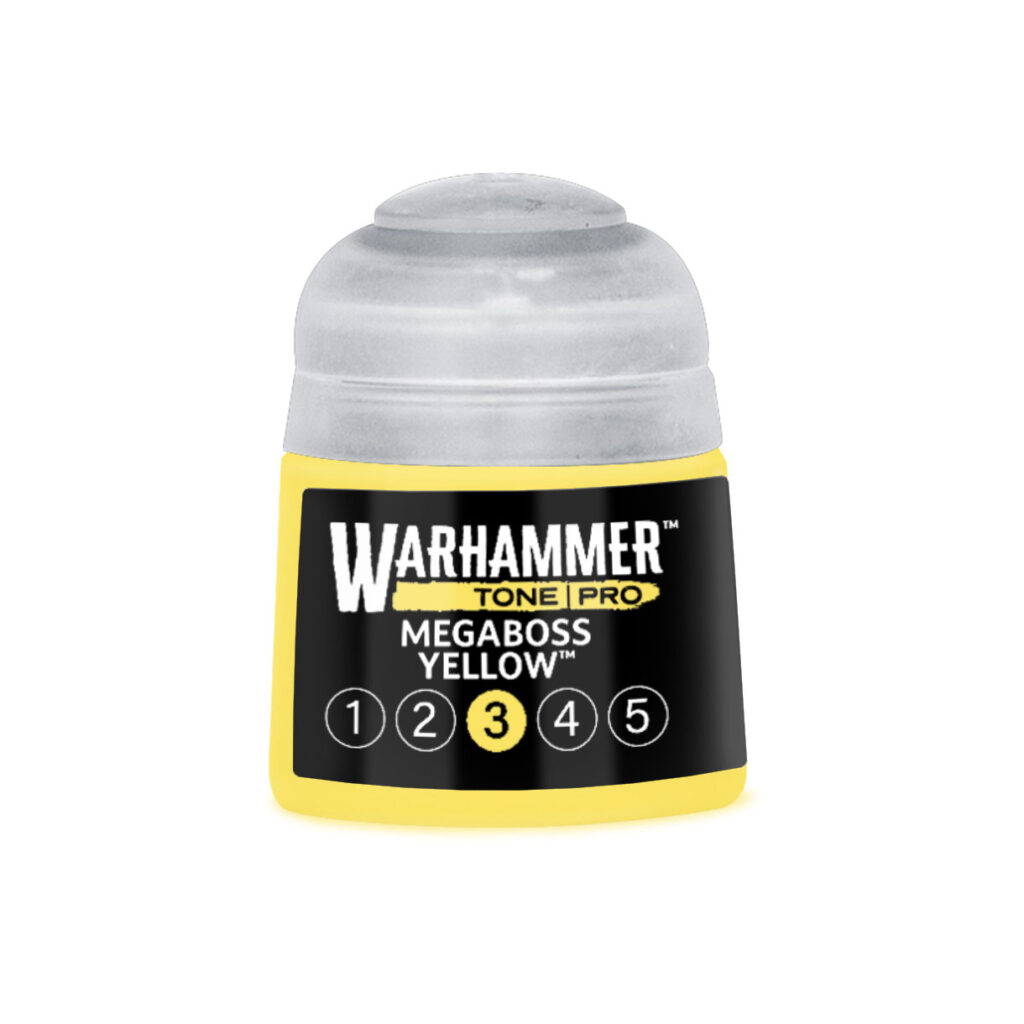
Warhammer Colour: Tone Pro Megaboss Yellow 12ml
£3.69 -
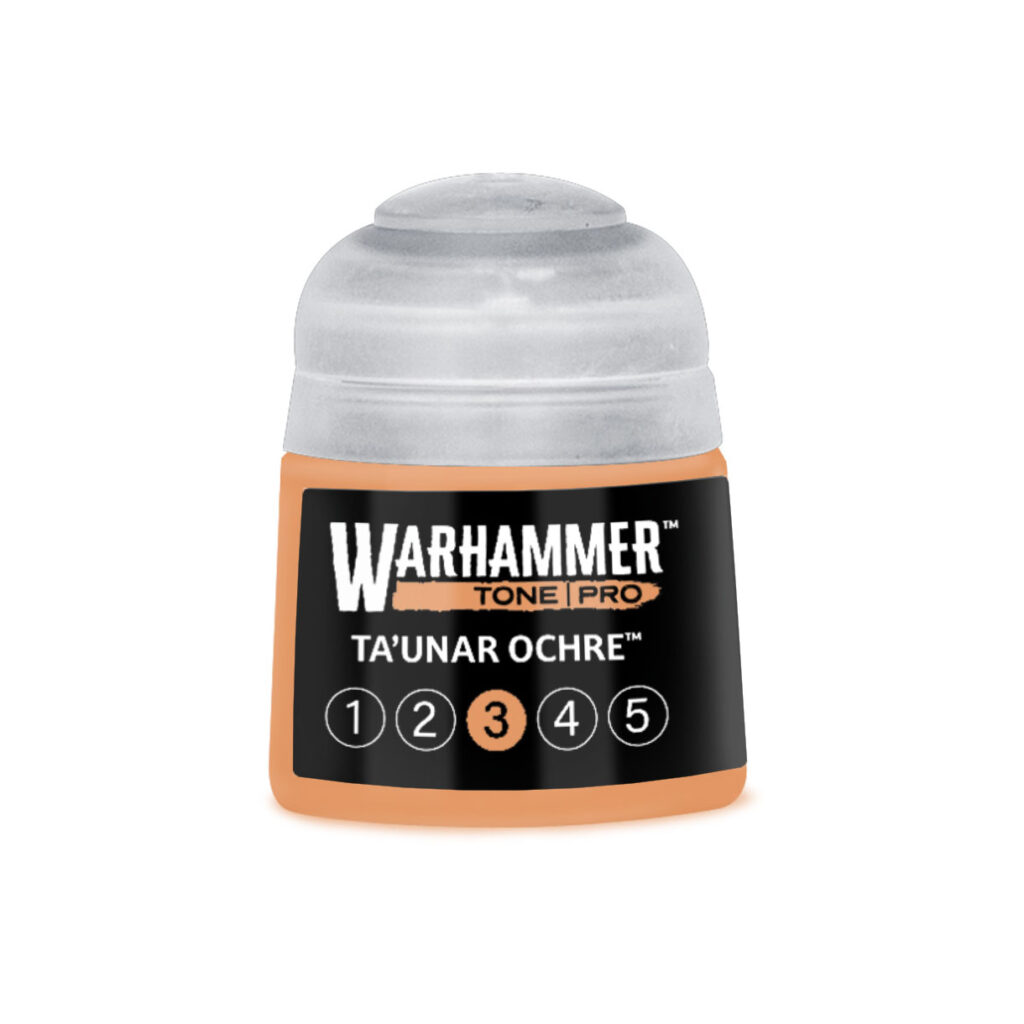
Warhammer Colour: Tone Pro Ta’unar Ochre 12ml
£3.69 -
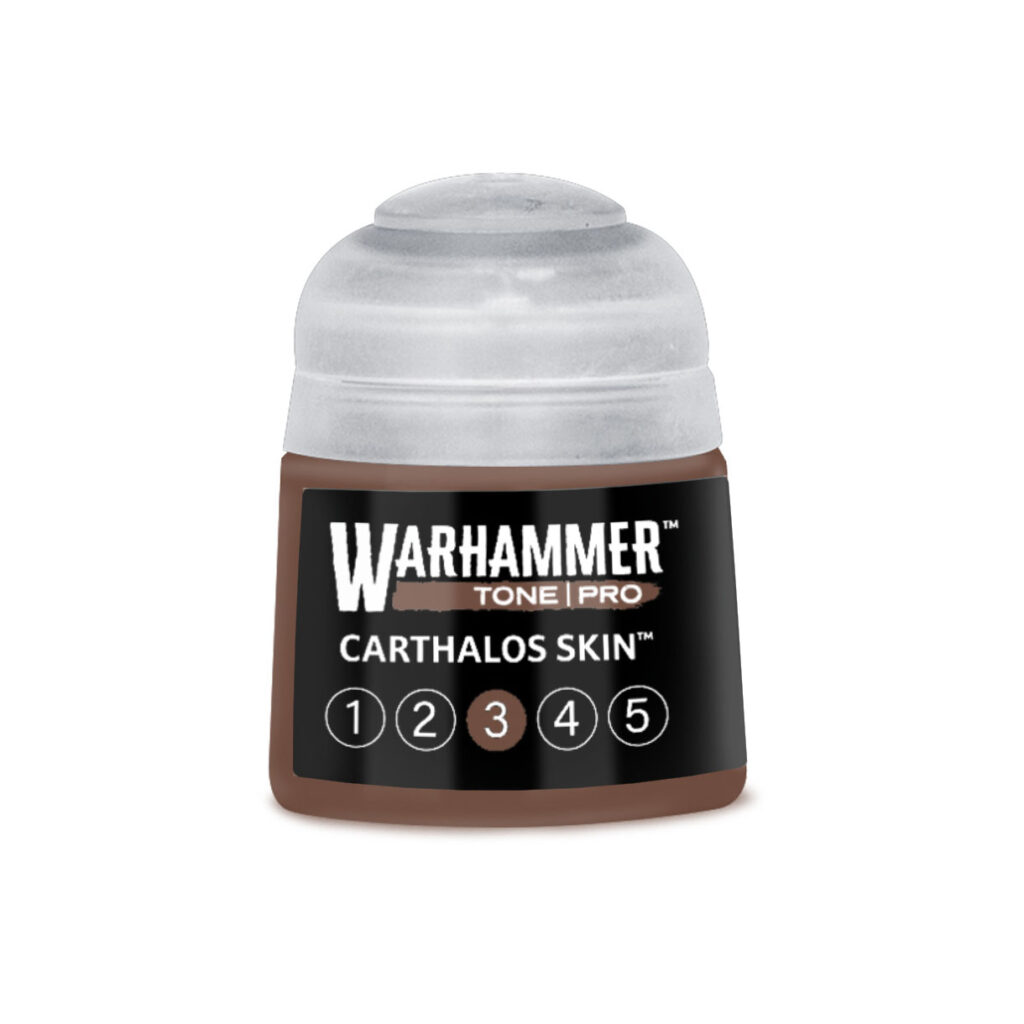
Warhammer Colour: Tone Pro Carthalos Skin 12ml
£3.69 -
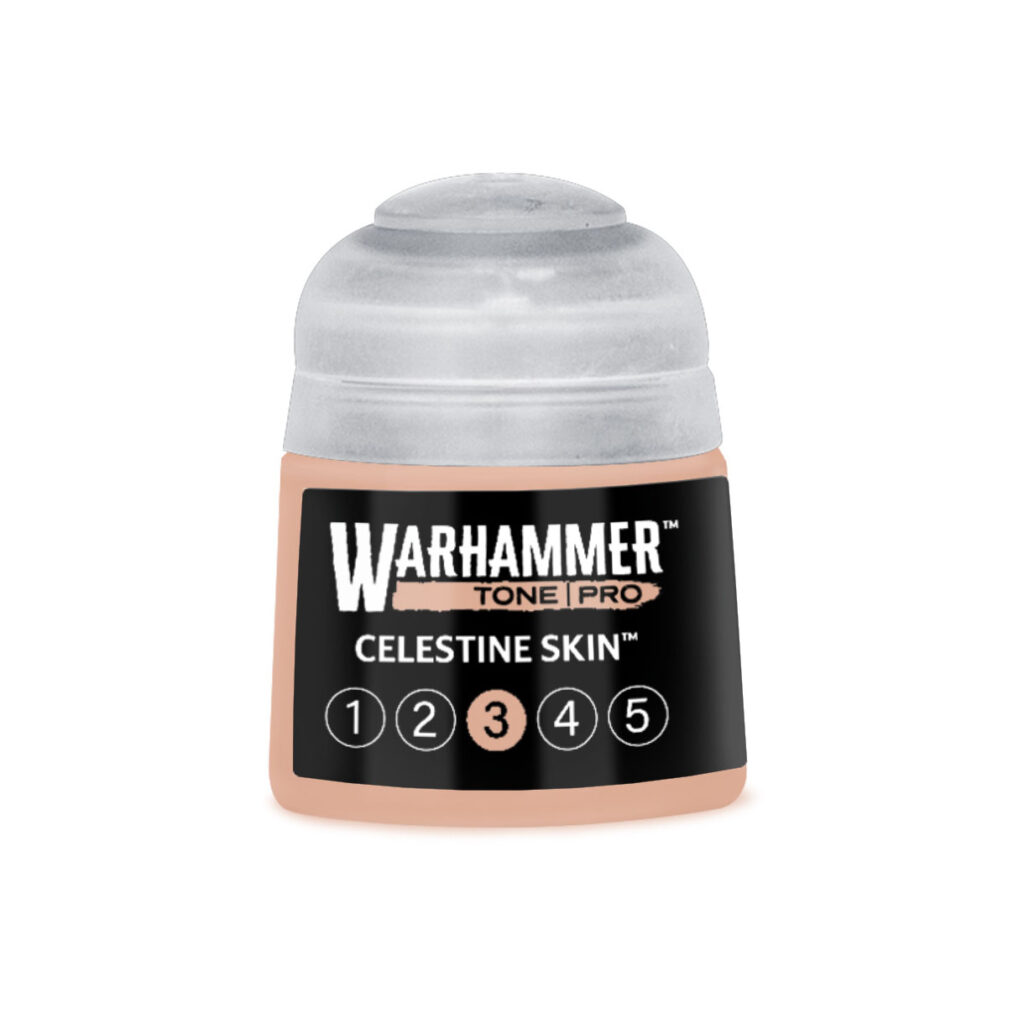
Warhammer Colour: Tone Pro Celestine Skin 12ml
£3.69 -
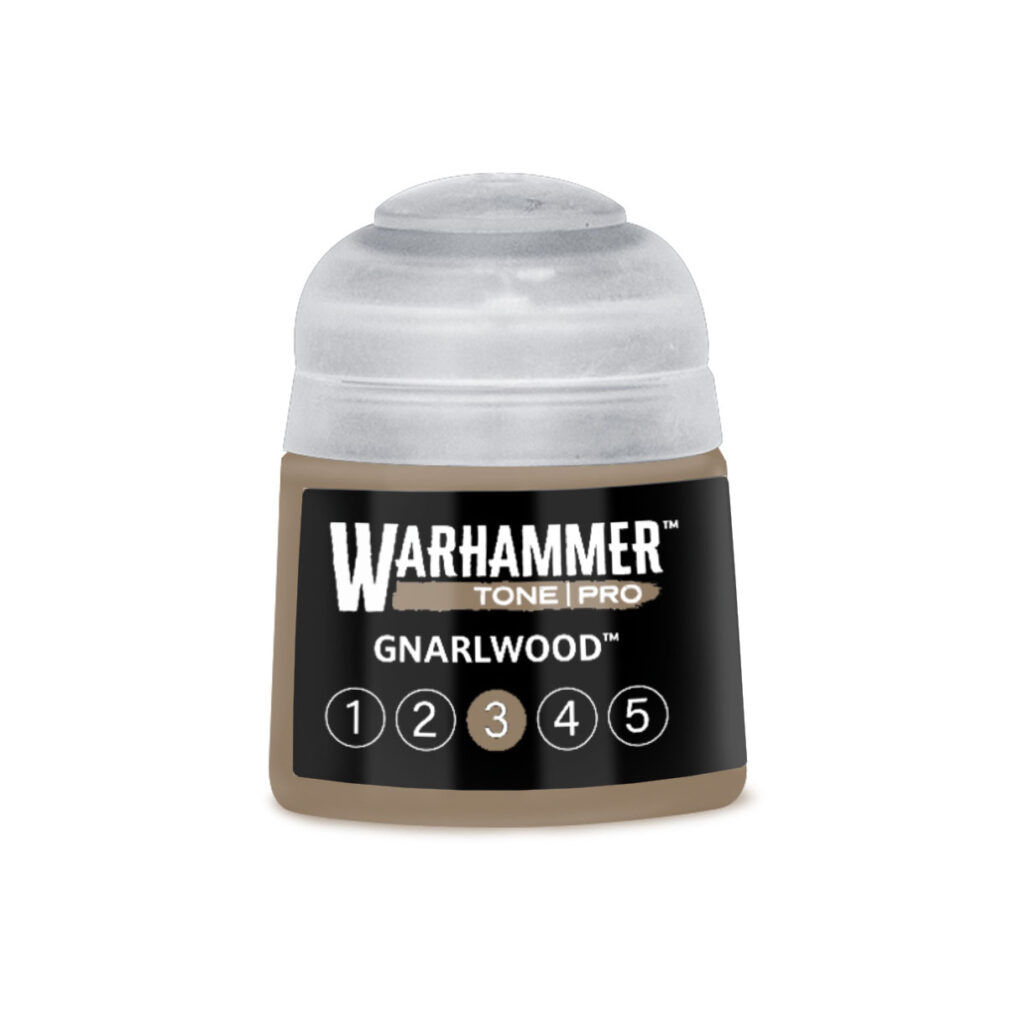
Warhammer Colour: Tone Pro Gnarlwood 12ml
£3.69 -
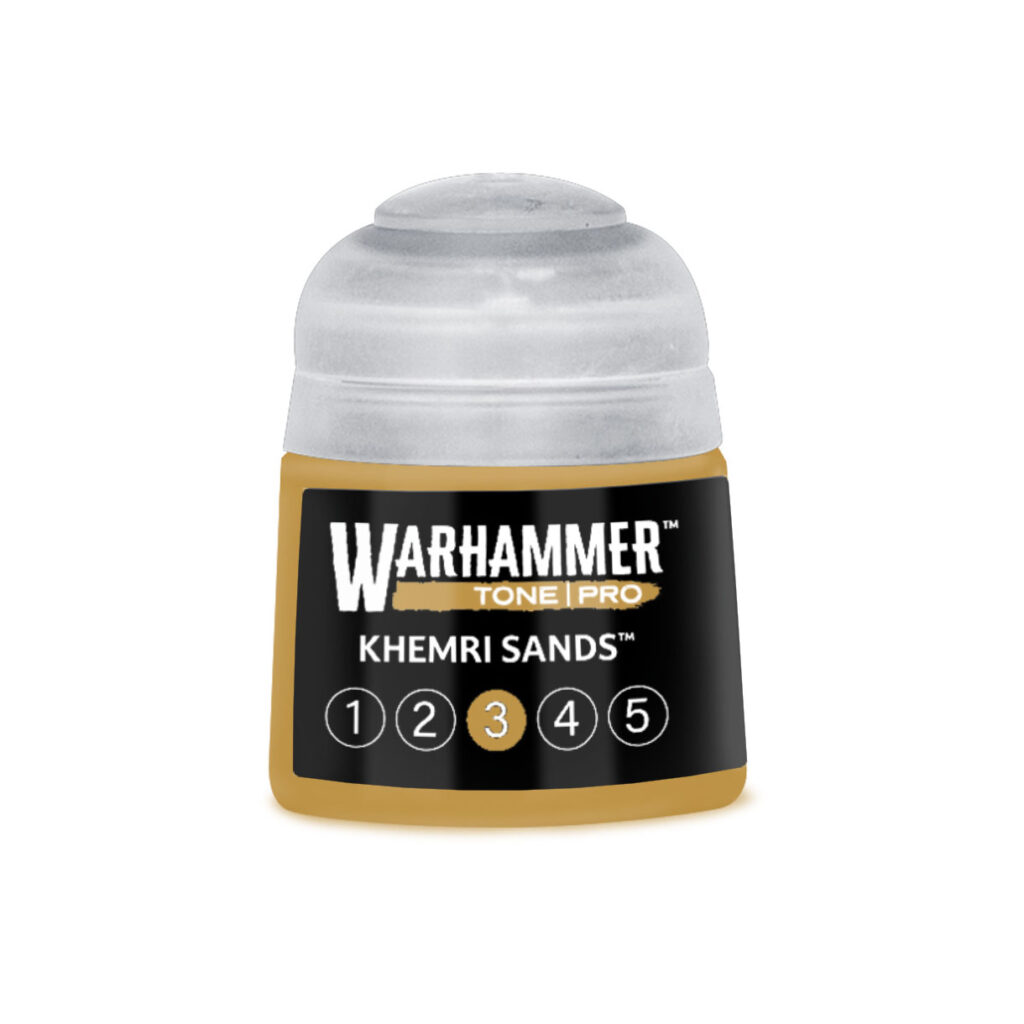
Warhammer Colour: Tone Pro Khemri Sands 12ml
£3.69 -
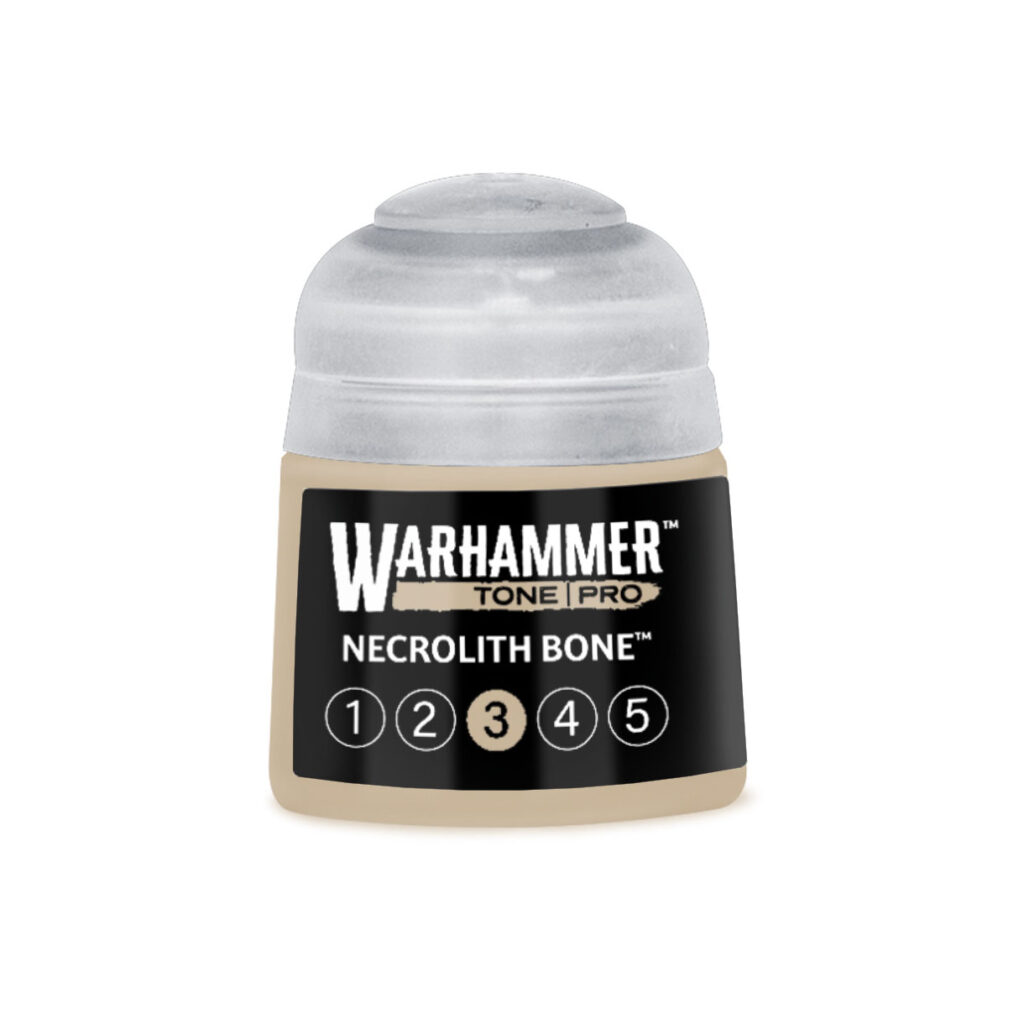
Warhammer Colour: Tone Pro Necrolith Bone 12ml
£3.69 -
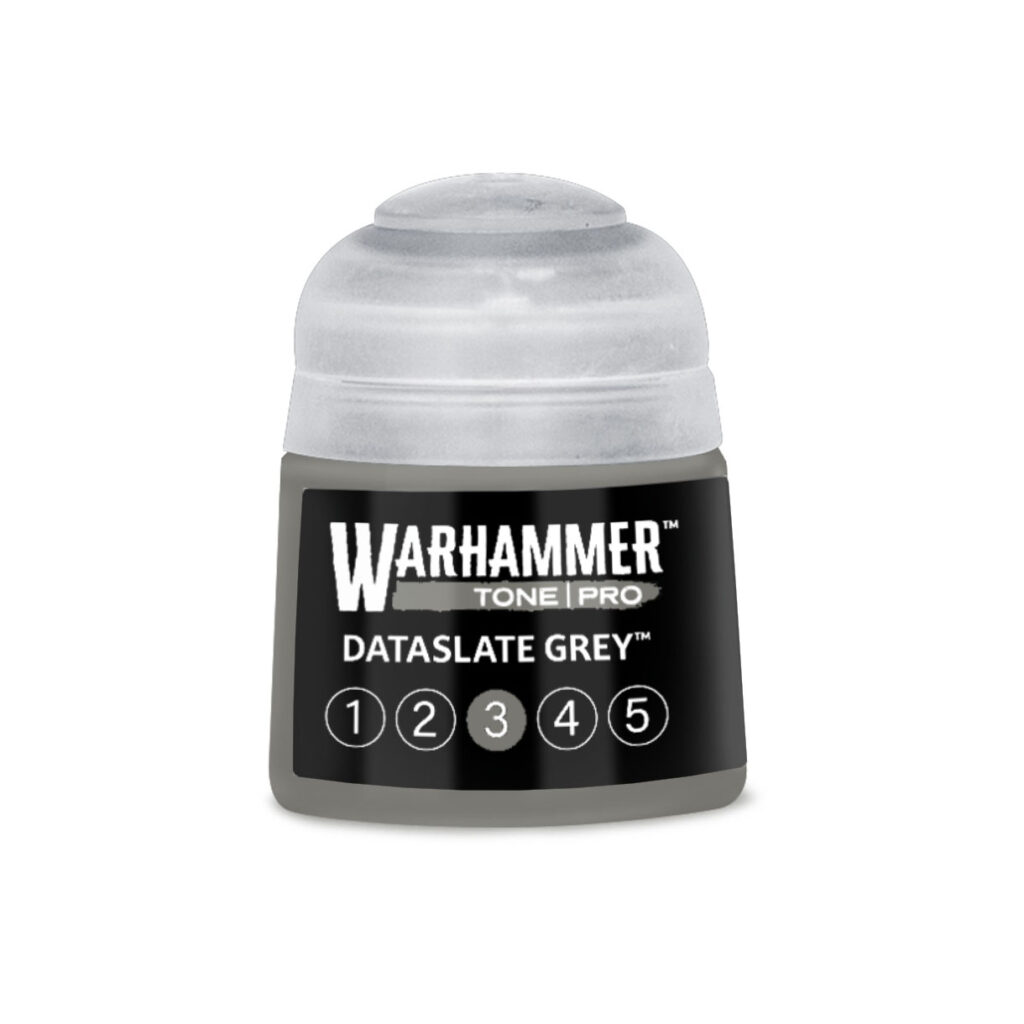
Warhammer Colour: Tone Pro Dataslate Grey 12ml
£3.69 -
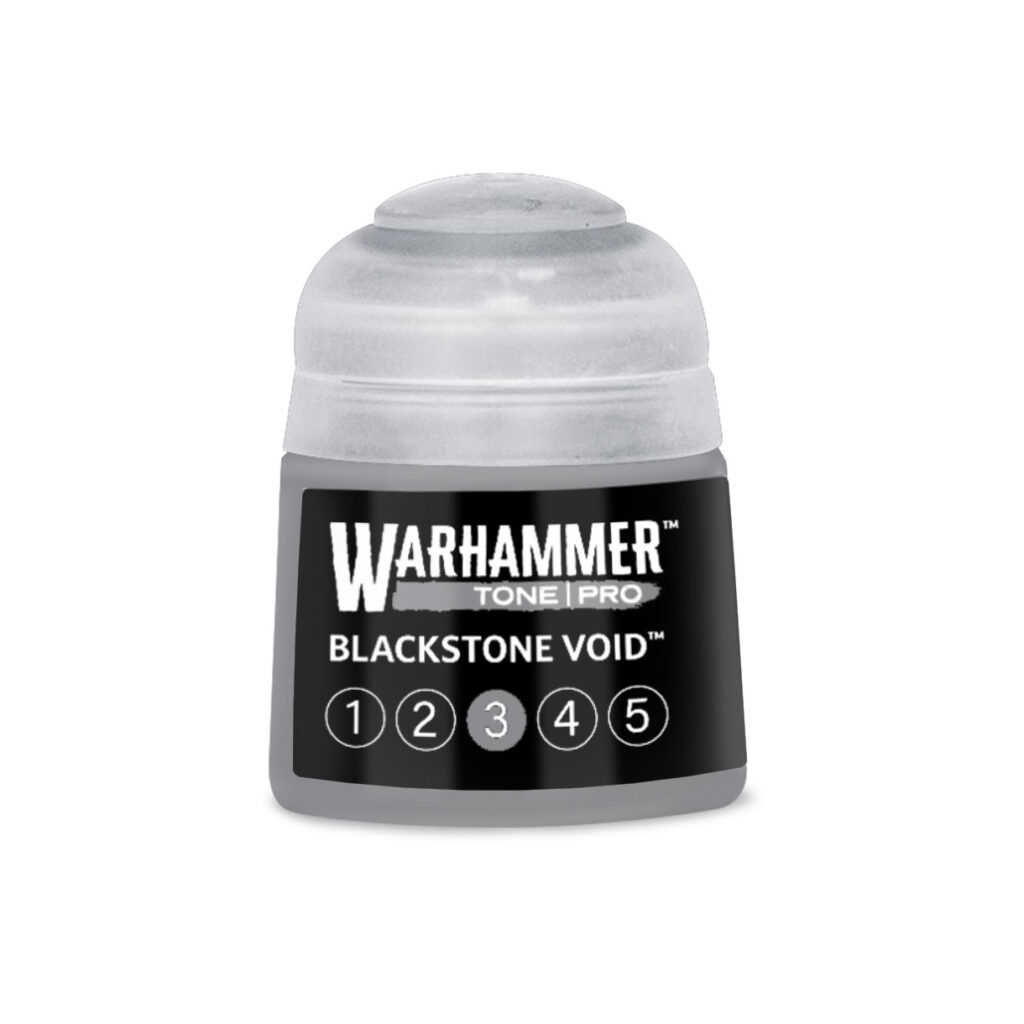
Warhammer Colour: Tone Pro Blackstone Void 12ml
£3.69
Three ways to build your first paint selection
The examples below follow armour recipes published by ’Eavy Metal, Games Workshop’s studio painting team. They’re handy shopping starting points, with a clear job for each pot.
They cover the armour, so leave room for any other colours your model needs.
Blood Angels: three reds and a reason to finish that squad
For the official Blood Angels armour recipe, choose:
- Bloodtoof Red 3 for the main red.
- Bloodtoof Red 4 for lighter highlights.
- Bloodtoof Red 5 for the brightest finishing touches.
At £3.69 a pot, those three reds come to £11.07.
There’s something satisfying about a small selection like this. You can picture the job before you start: get the main red down, bring out the shape with the lighter red, then pick out the sharpest details with the brightest one.
You don’t need tones 1 and 2 to follow this example. They might earn a place in another project, but an empty space in the paint rack isn’t a painting emergency.
Choose the individual tones from Bloodtoof Red.
Imperial Fists: give yellow a proper plan
Ah, yellow. A glorious colour for armour, and occasionally a test of how long a person can stare at one shoulder pad.
The official Imperial Fists recipe uses:
- Hawkshroud Yellow 3 for the main yellow.
- Hawkshroud Yellow 4 for lighter highlights.
- Hawkshroud Yellow 5 for the brightest finishing touches.
Those three pots also come to £11.07.
Rather than choosing several yellows and hoping they’ll get along, you’ve got a clear path from the main colour to the brightest details.
Games Workshop highlights yellow coverage as one of Tone Pro’s strengths. Even so, let the paint on the model tell you whether it needs another coat. A patchy shoulder pad rarely improves through stern looks alone.
Choose your tones from Hawkshroud Yellow.
Ultramarines: when all five blues earn their place
If you enjoy giving armour a little extra attention, the official Ultramarines recipe puts all five tones to work:
- Ultramar Blue 2 for the main colour.
- Ultramar Blue 1 for the shadows.
- Ultramar Blue 3, 4 and 5 for gradually brighter highlights.
All five pots come to £18.45.
Notice that the main colour is 2, not 3. You start with the blue that suits the look, rather than picking the middle number out of habit.
This is an appealing project for a captain, a favourite squad or that one model you’ve decided deserves your very best effort. You know the one. Everyone else gets a tidy finish; this fellow gets his own evening and the good brush.
You can simplify your painting, of course. Just remember that skipping colours means making your own version rather than following this particular recipe.
Choose the individual tones from Ultramar Blue.
Your favourite paints still have a job
You don’t need to replace your paint collection. Pick a few Tone Pro colours for the model you’re working on and keep using your favourites.
That trusty brown has painted a hundred pairs of boots. It hasn’t retired yet.
If you’re partway through an army, try a new main colour on a spare piece or test model before committing to the next squad. Compare it with your finished models once it’s dry.
A slightly different blue could be exactly what you want for a new project. Halfway through an existing squad, it might look as though one Marine has borrowed someone else’s uniform.
What about the two mediums?
A medium is a liquid you mix with paint to change how it behaves. The two Warhammer Tech Pro mediums have different jobs.
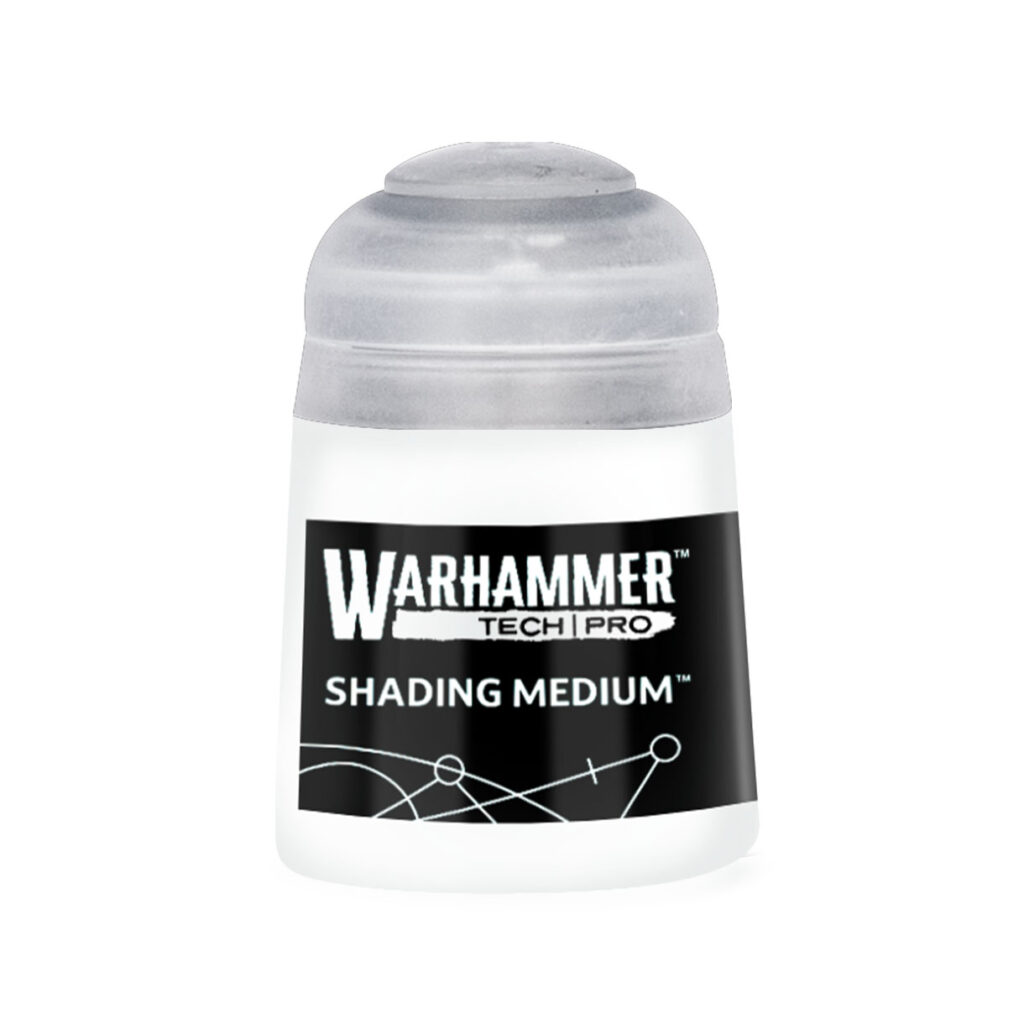
Shading Medium helps you turn paint into a shade or glaze. A shade adds darker colour to places such as gaps and folds. A glaze is a thin, see-through layer of colour painted over another colour.
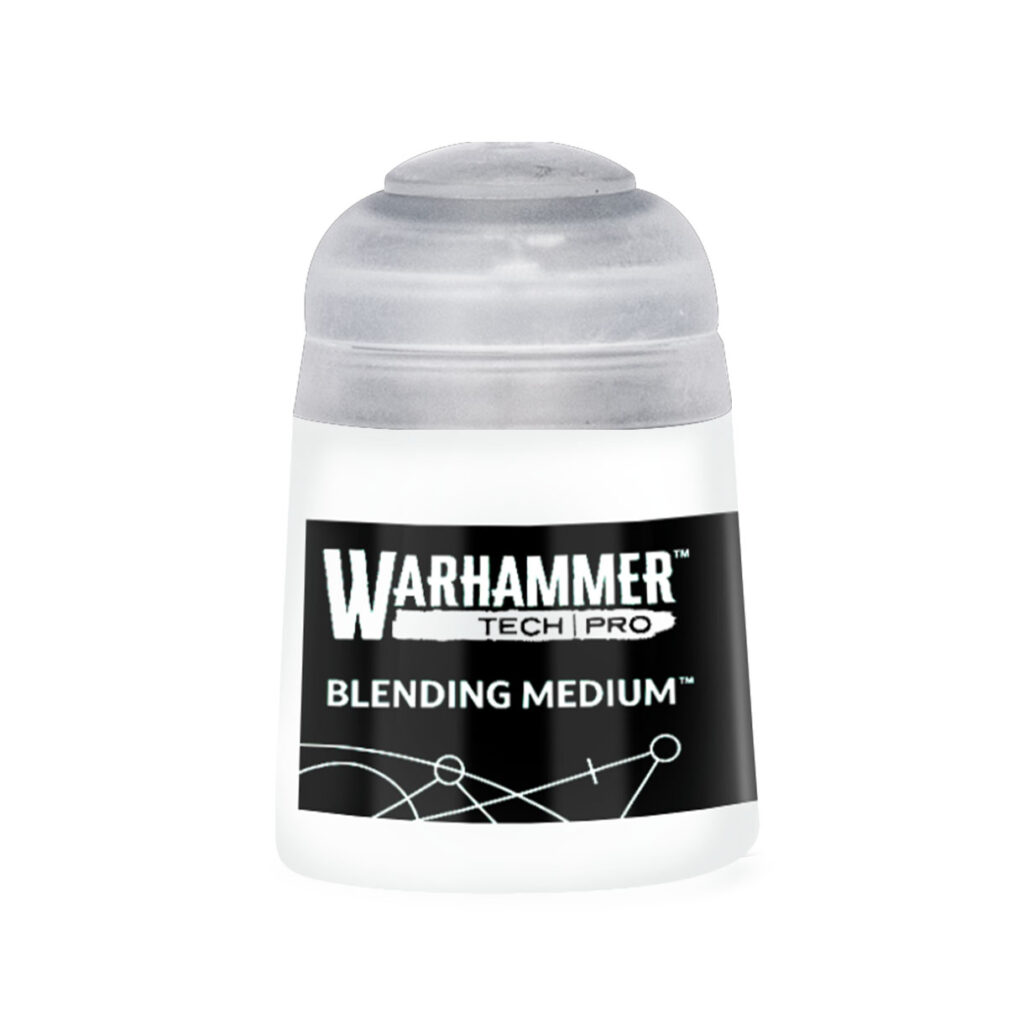
Blending Medium keeps paint wet for longer, giving you more time to work colours together for a smoother change between them. Think of a cloak moving gently from dark red into a brighter red, rather than showing an obvious line between the two.
Both mediums cost £4.41 each. Three paints and a medium come to £15.48.
Choose one because you want to try the technique it helps with. If your first plan is simply to paint the armour and add lighter edges, there’s no need to turn the shopping basket into a chemistry set.
And if blending sounds a little ambitious for now, that’s fine. A neatly painted model with simple highlights can look lovely. Nobody checks your technique list before letting it onto the tabletop.
More colours and painting mediums
-
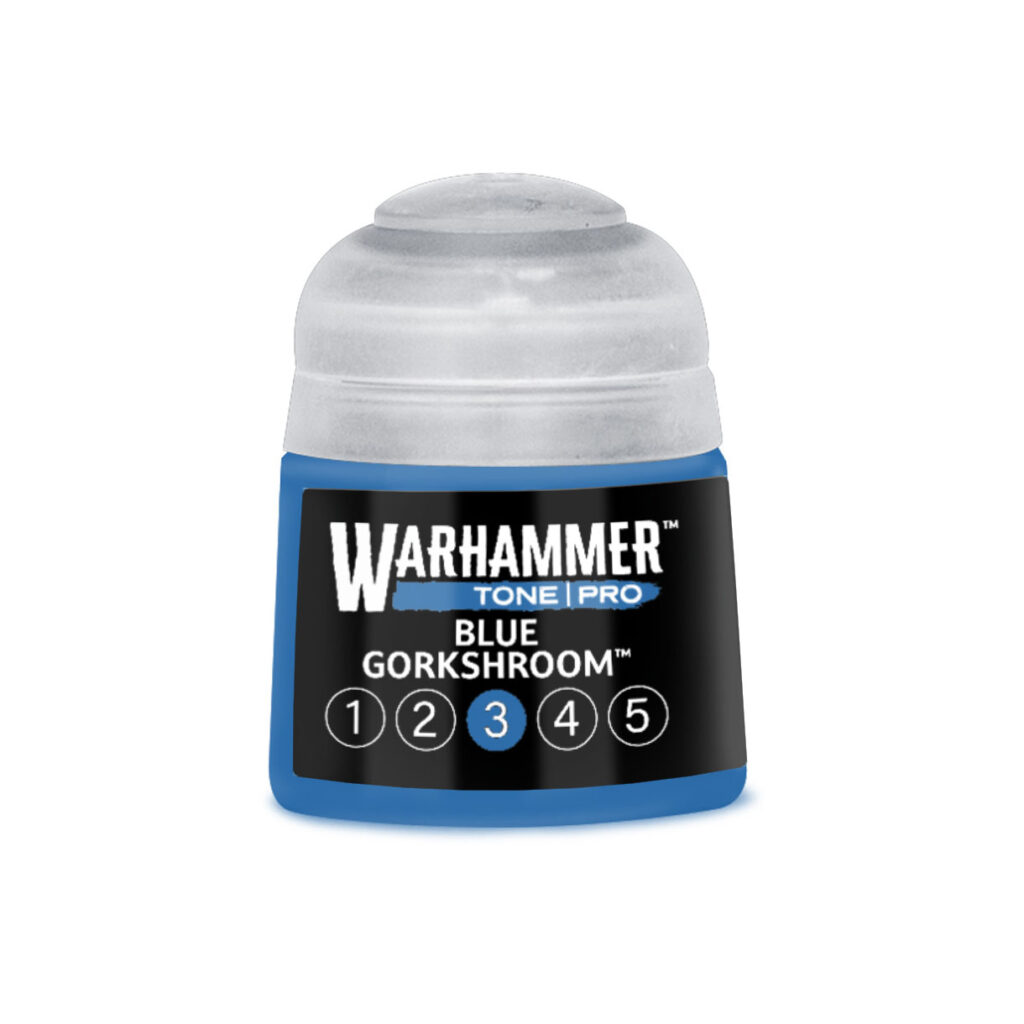
Warhammer Colour: Tone Pro Blue Gorkshroom 12ml
£3.69 -
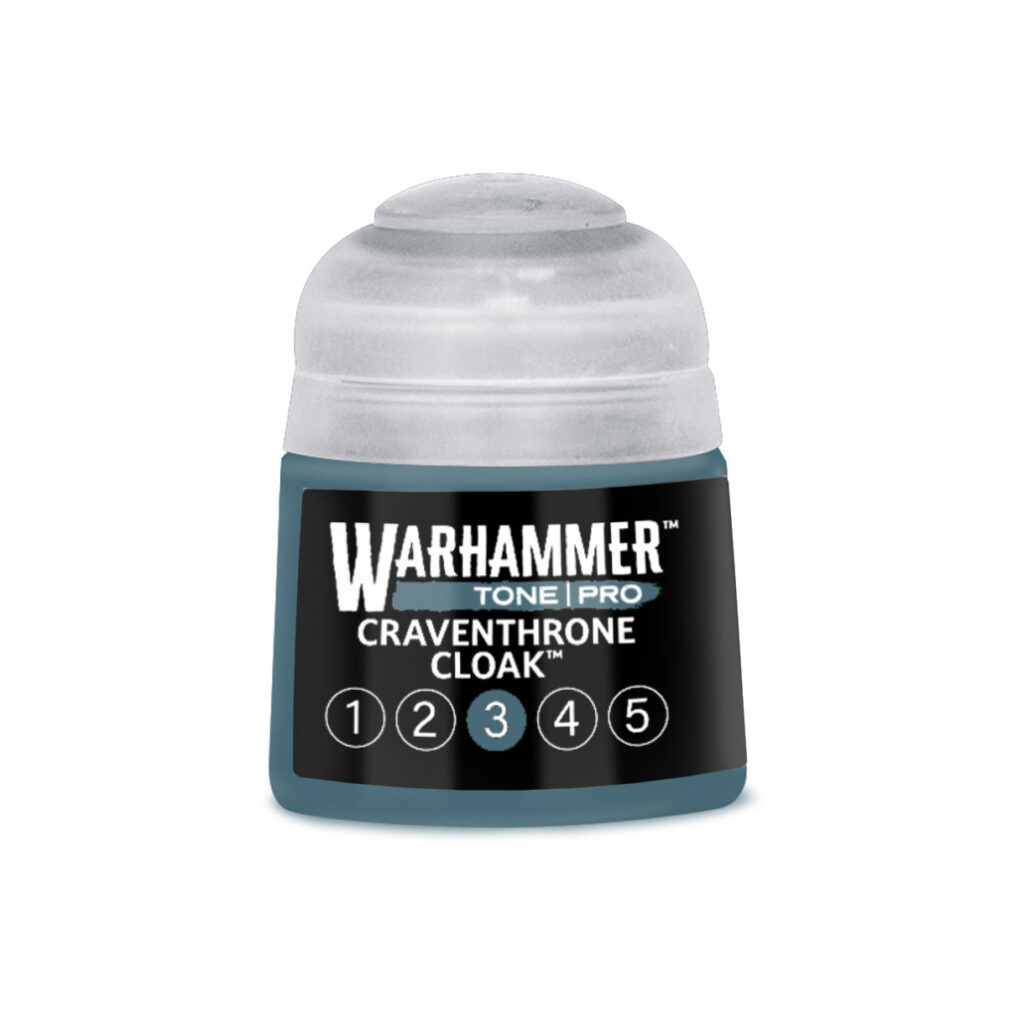
Warhammer Colour: Tone Pro Craventhrone Cloak 12ml
£3.69 -
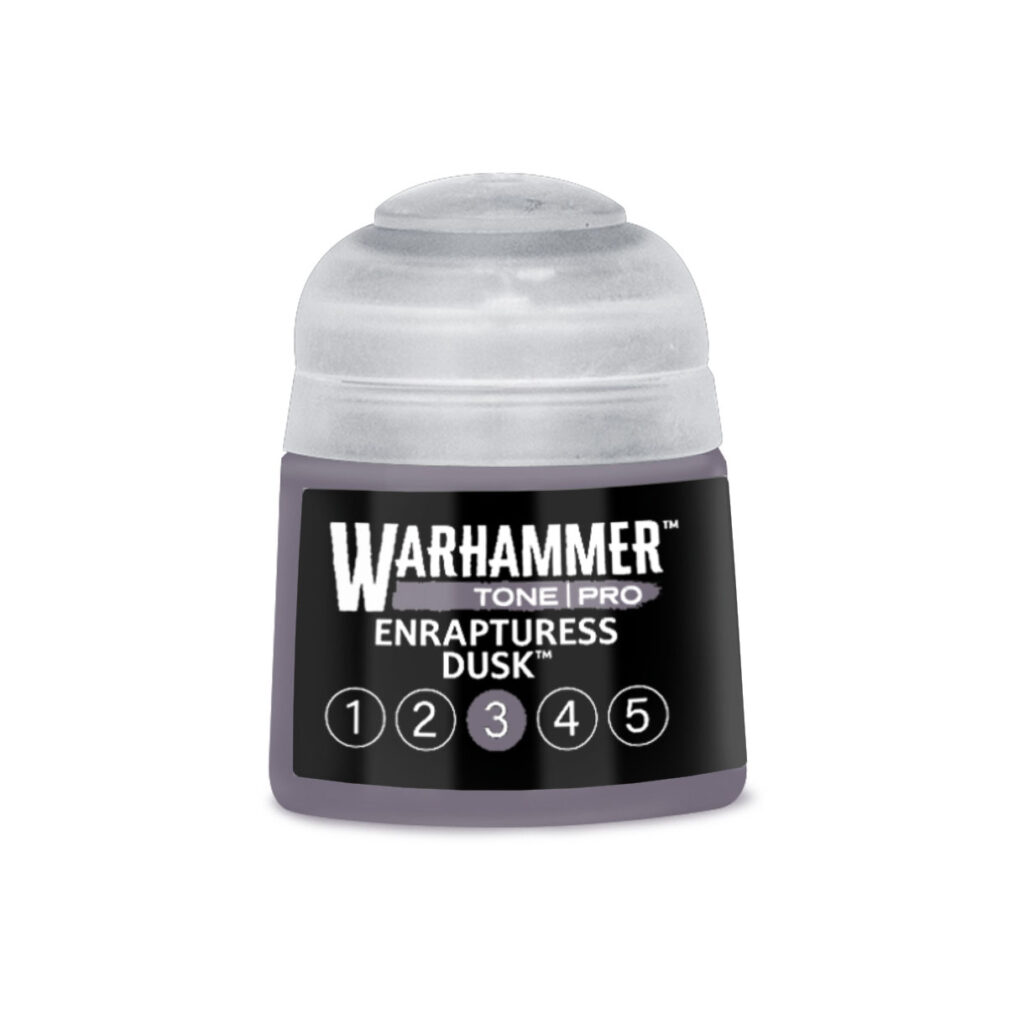
Warhammer Colour: Tone Pro Enrapturess Dusk 12ml
£3.69 -
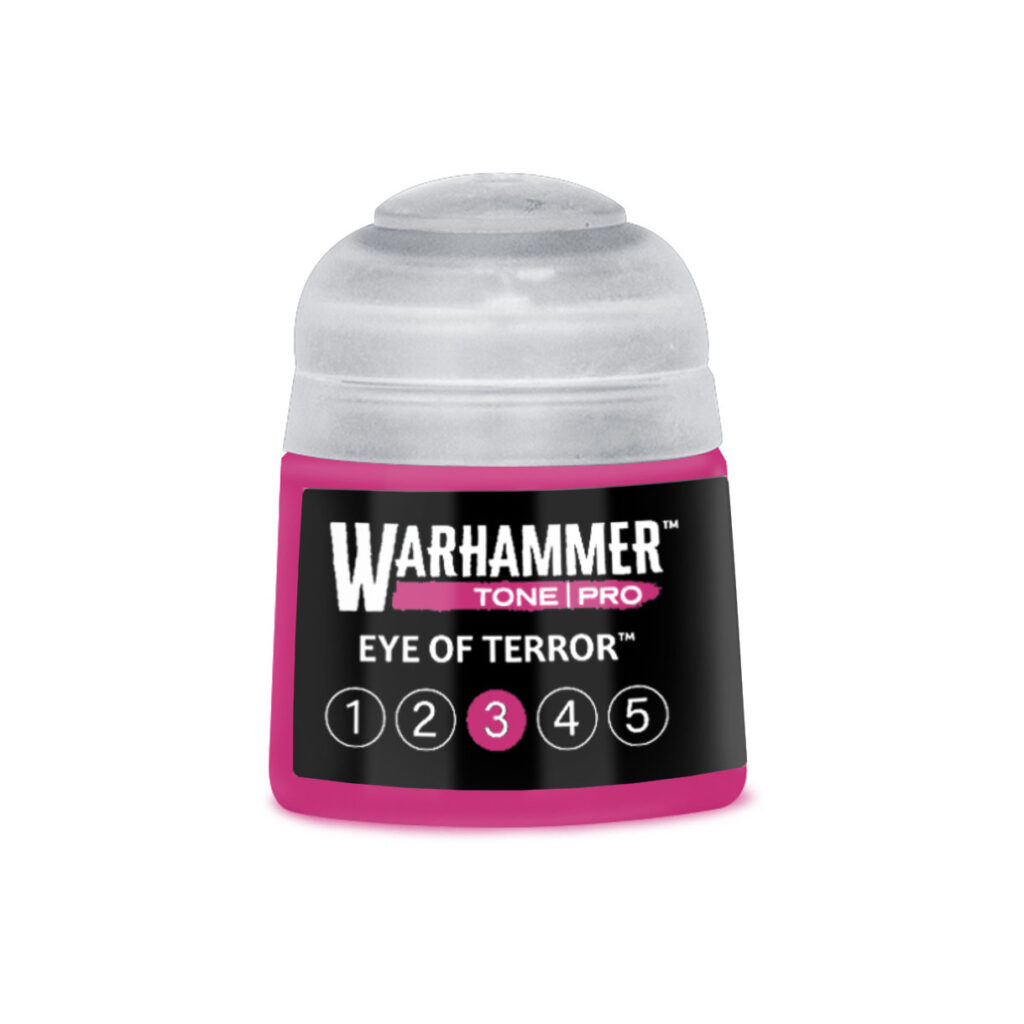
Warhammer Colour: Tone Pro Eye of Terror 12ml
£3.69 -
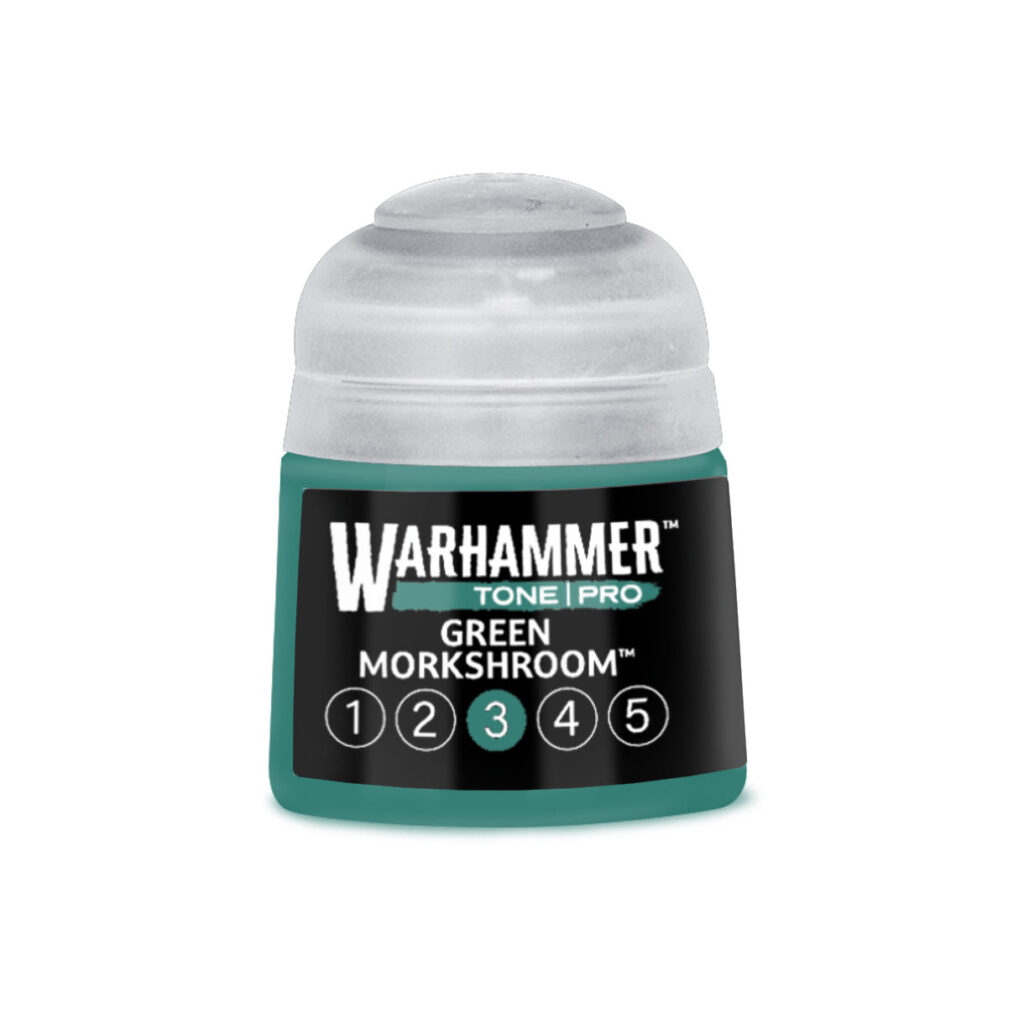
Warhammer Colour: Tone Pro Green Morkshroom 12ml
£3.69 -
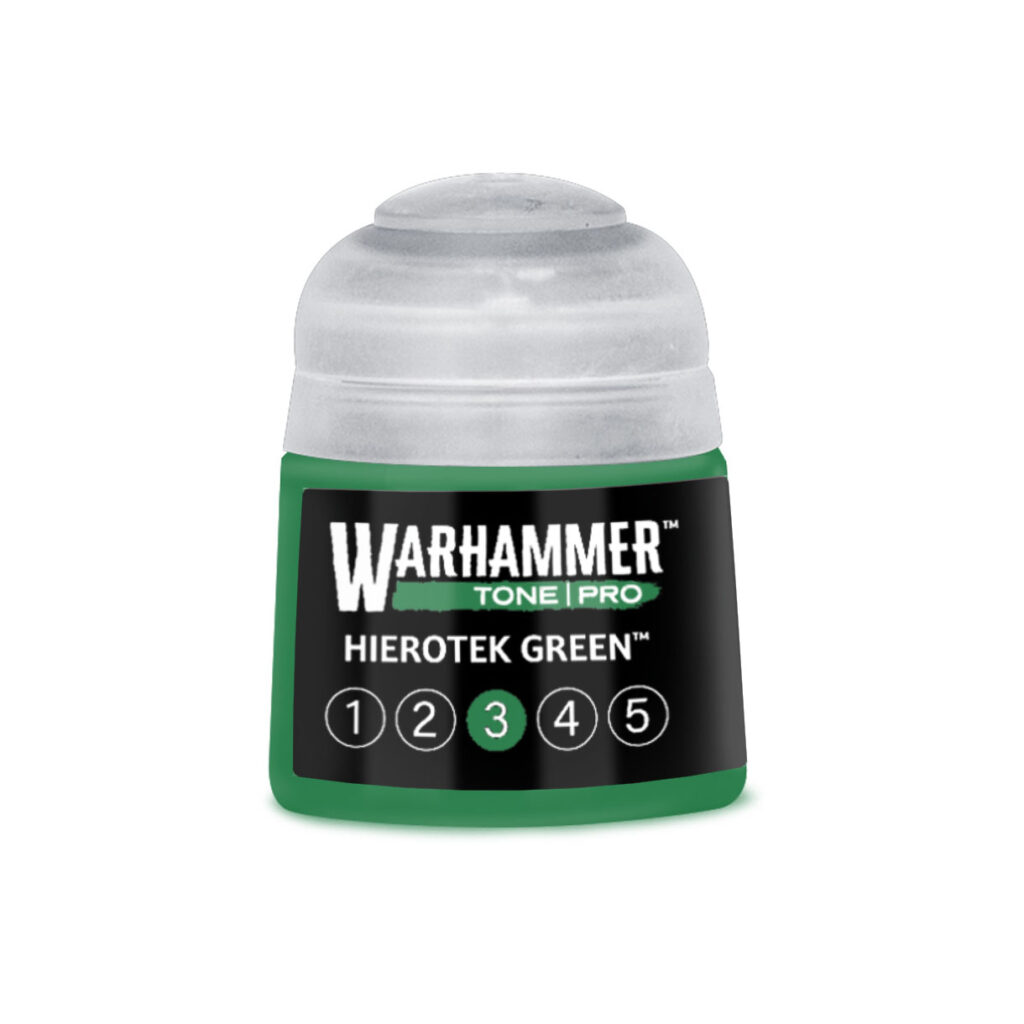
Warhammer Colour: Tone Pro Hierotek Green 12ml
£3.69 -
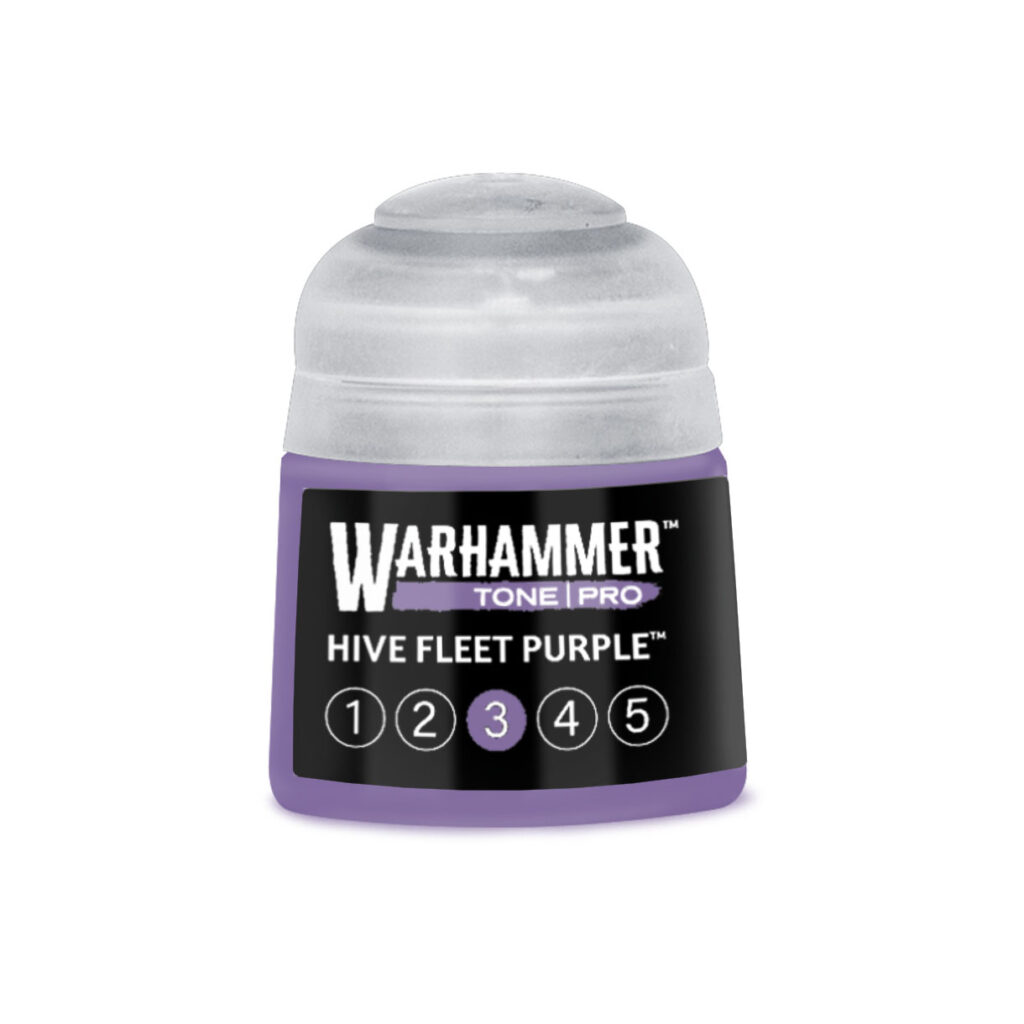
Warhammer Colour: Tone Pro Hive Fleet Purple 12ml
£3.69 -
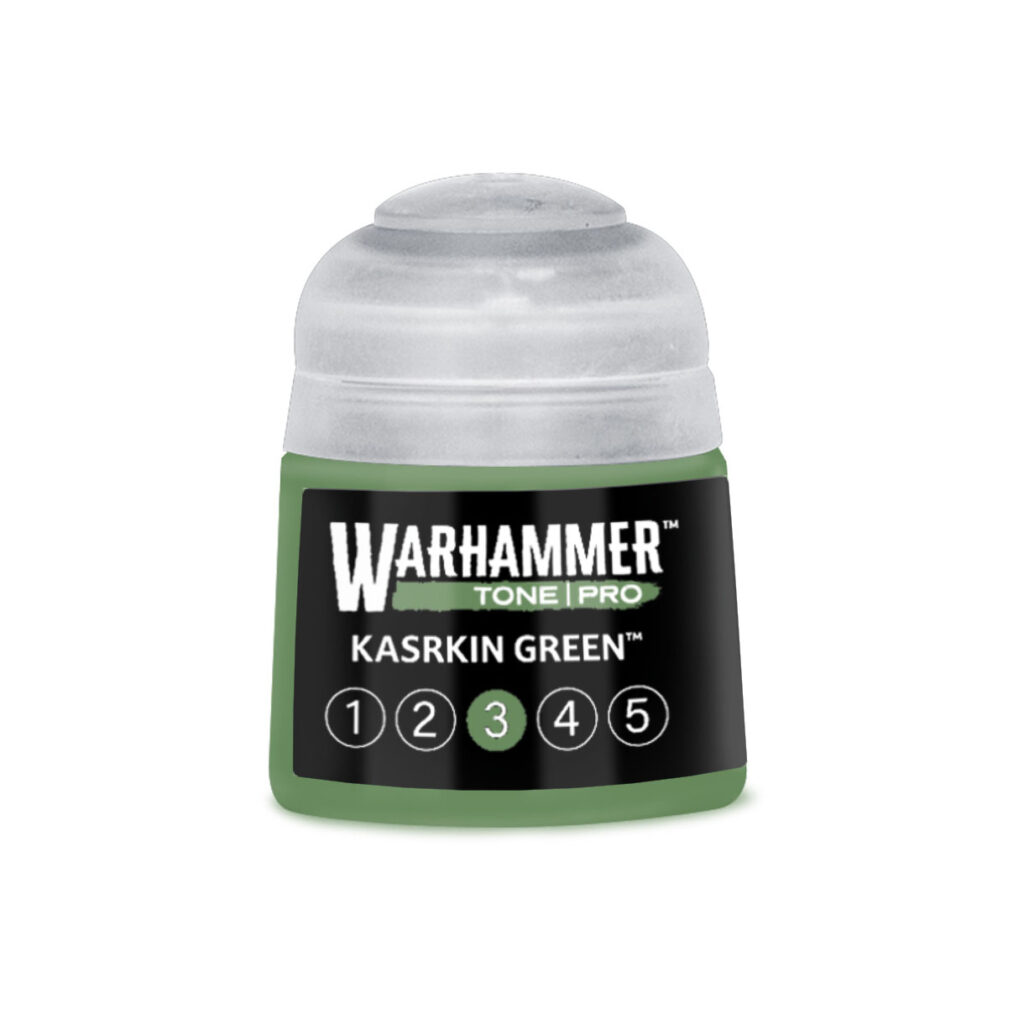
Warhammer Colour: Tone Pro Kasrkin Green 12ml
£3.69 -
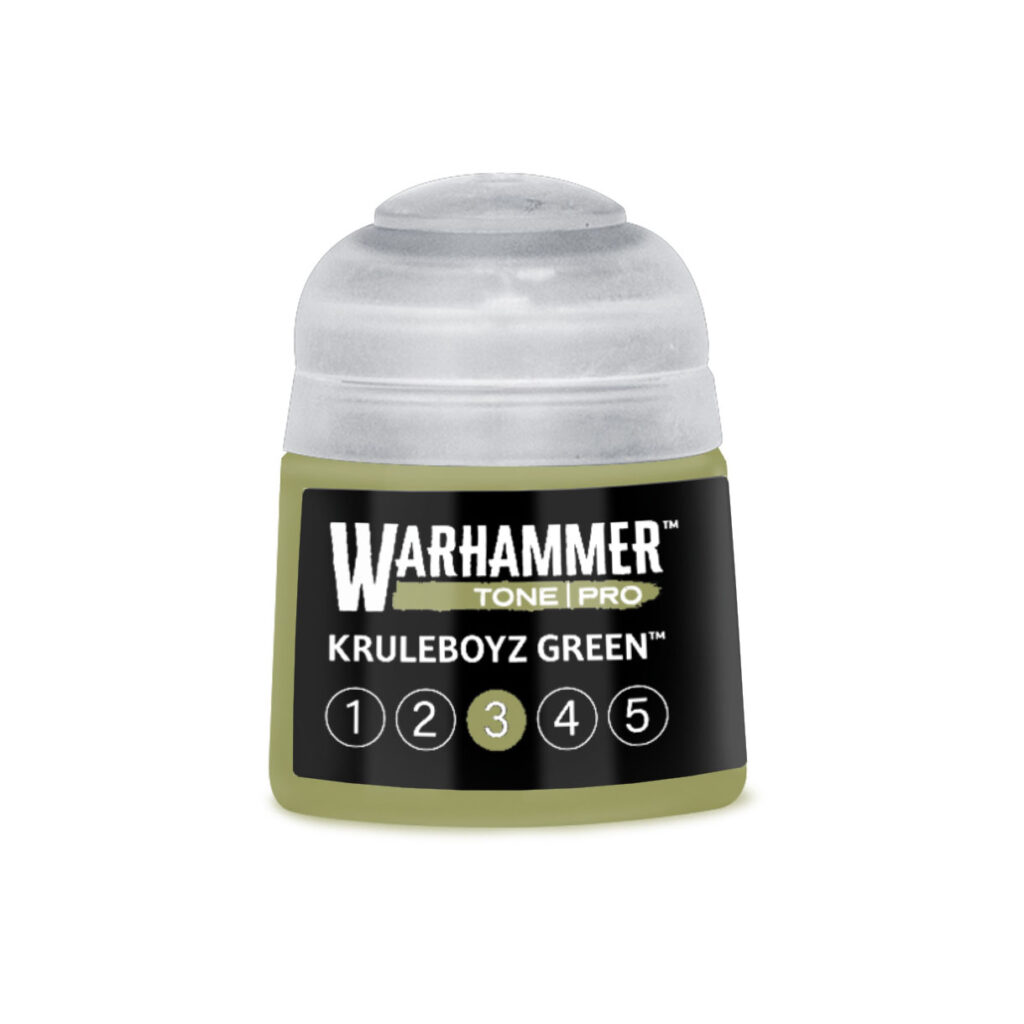
Warhammer Colour: Tone Pro Kruleboyz Green 12ml
£3.69 -
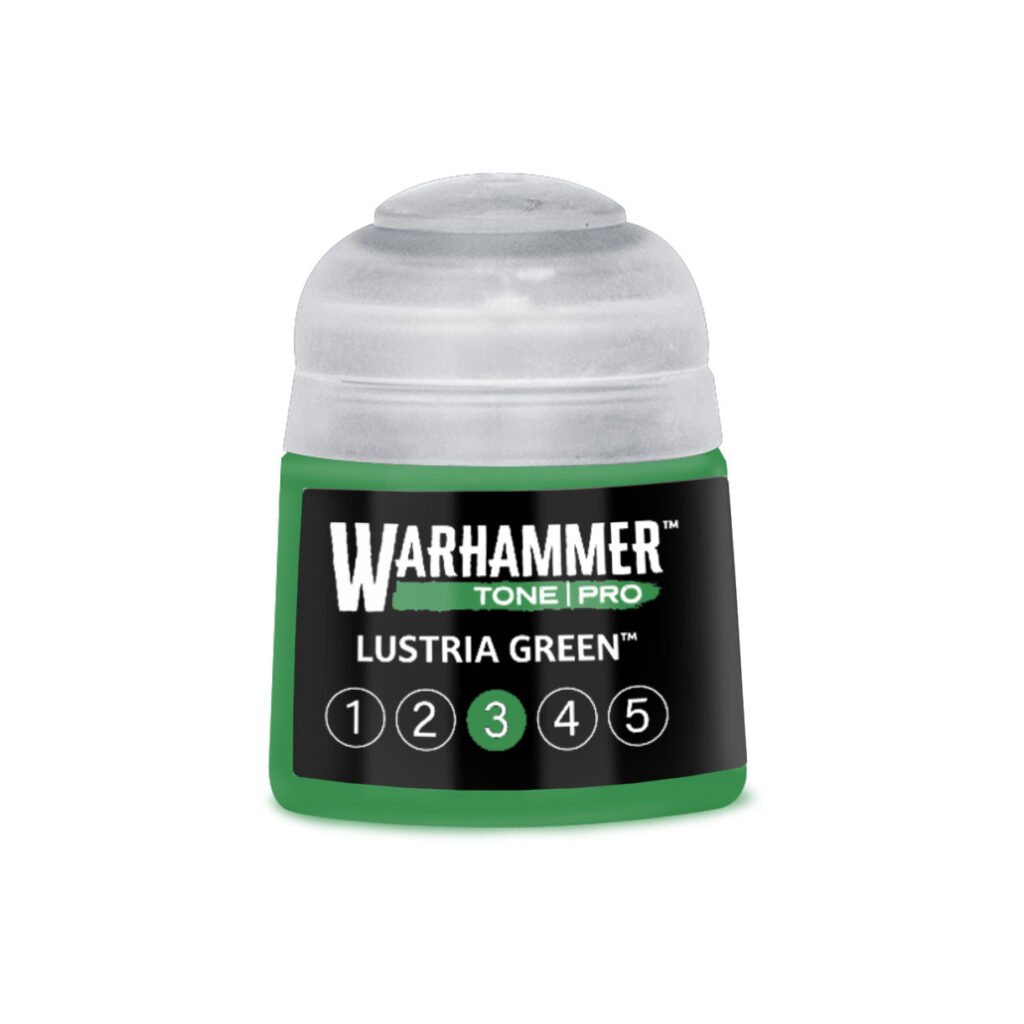
Warhammer Colour: Tone Pro Lustria Green 12ml
£3.69 -
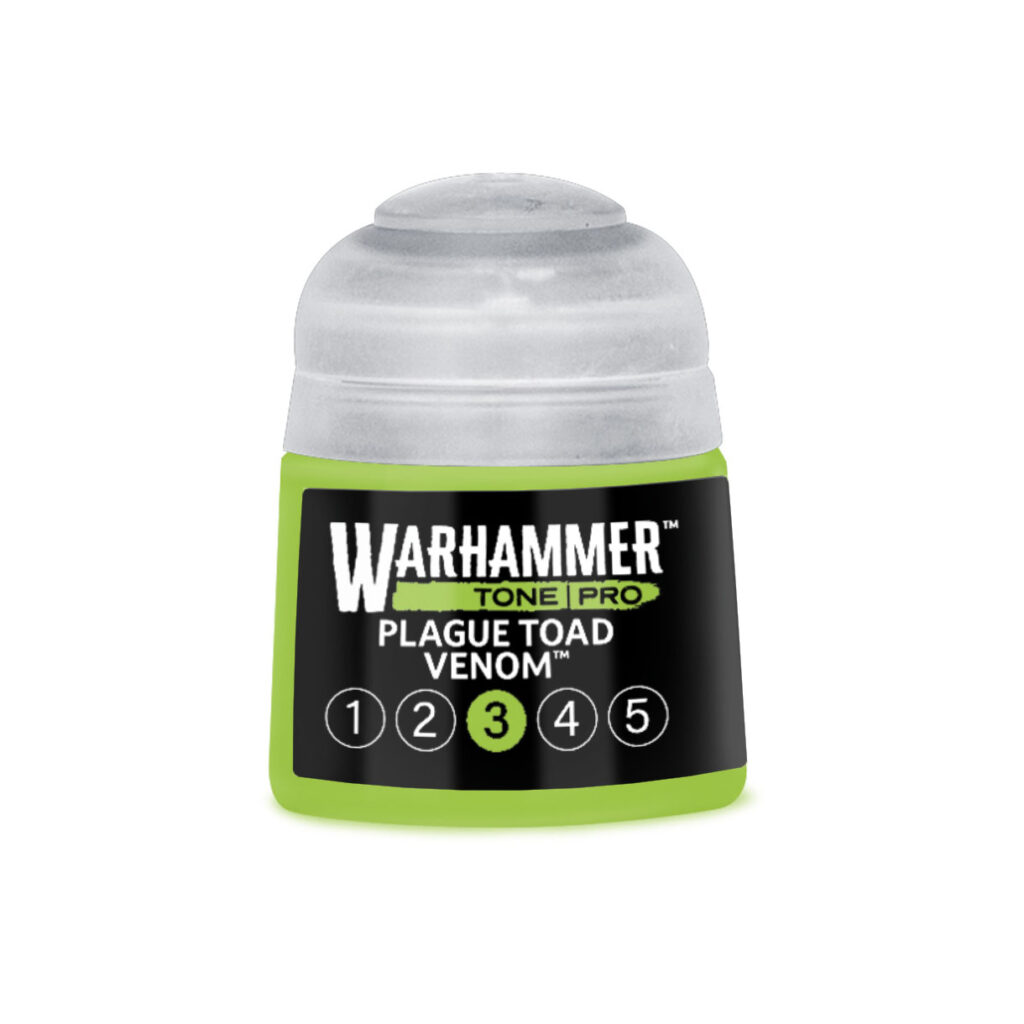
Warhammer Colour: Tone Pro Plague Toad Venom 12ml
£3.69 -
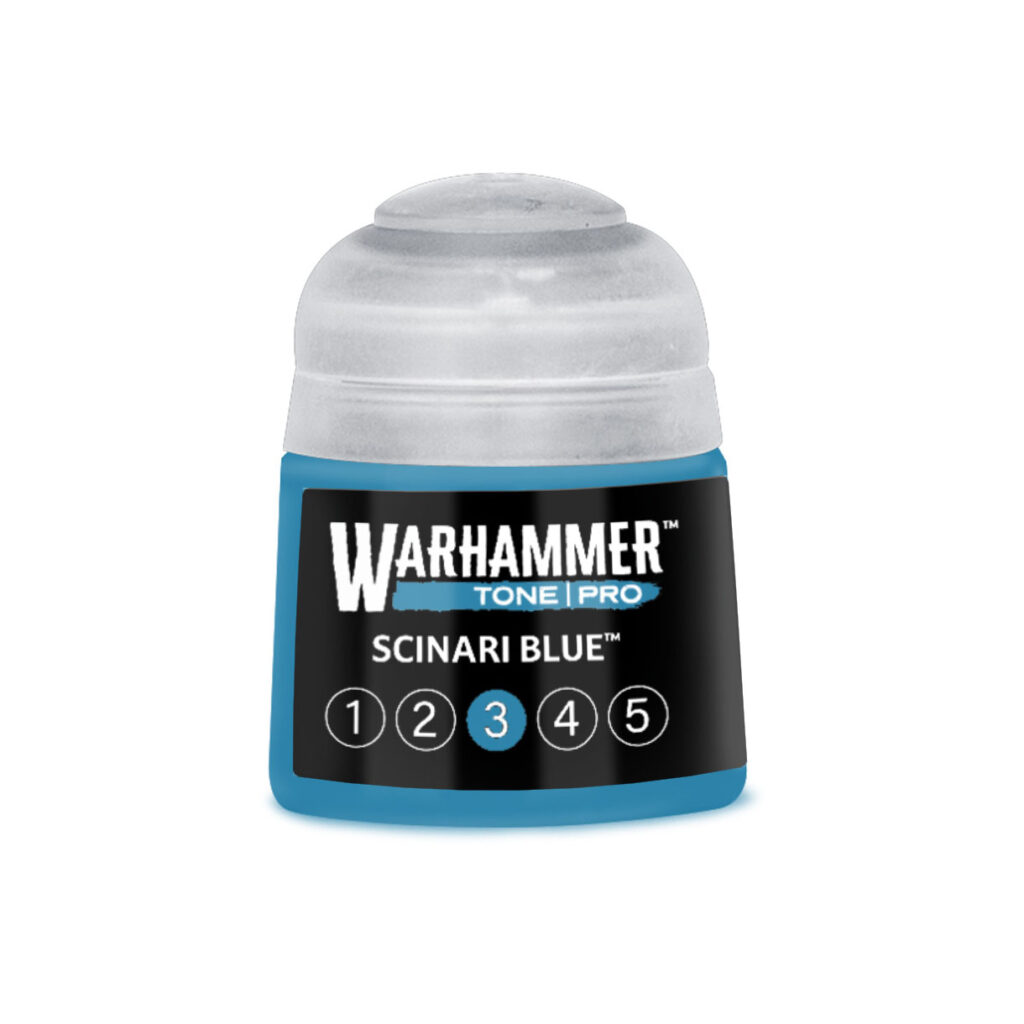
Warhammer Colour: Tone Pro Scinari Blue 12ml
£3.69 -
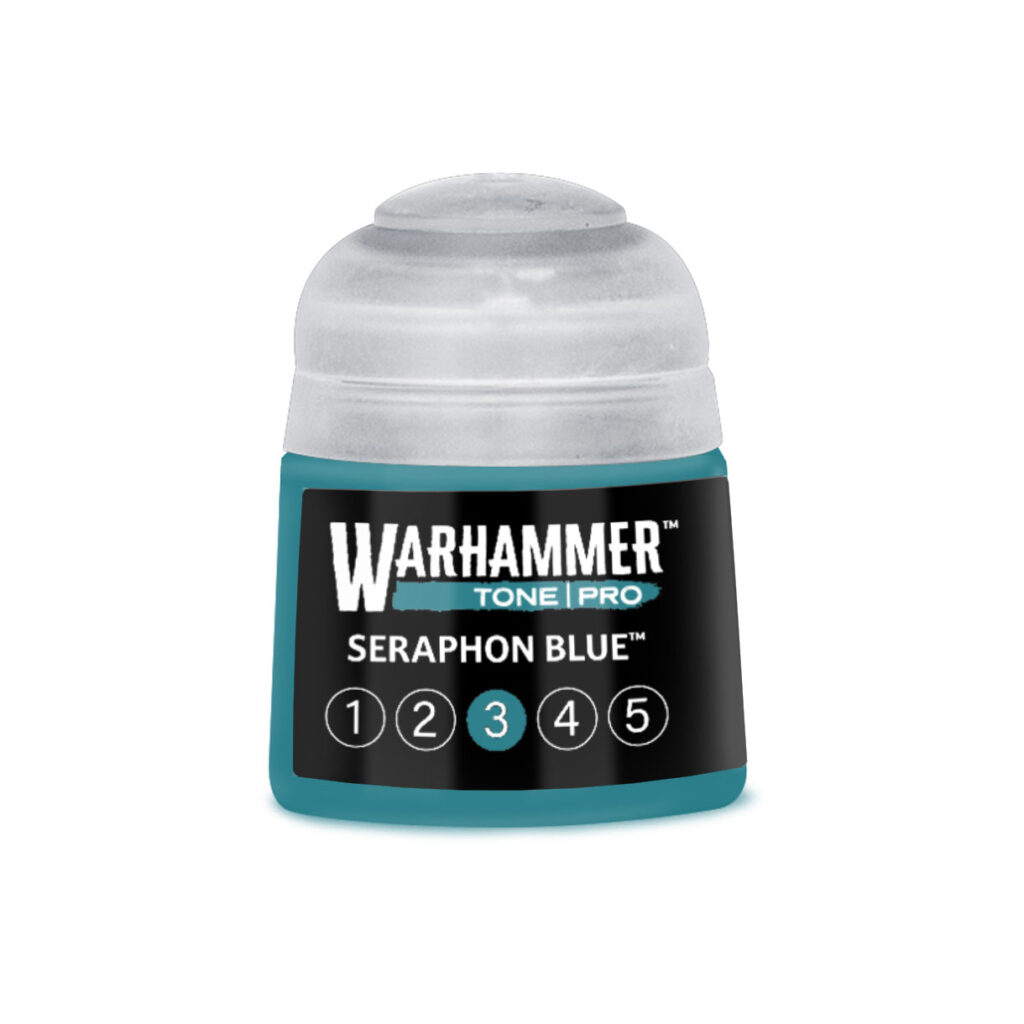
Warhammer Colour: Tone Pro Seraphon Blue 12ml
£3.69 -
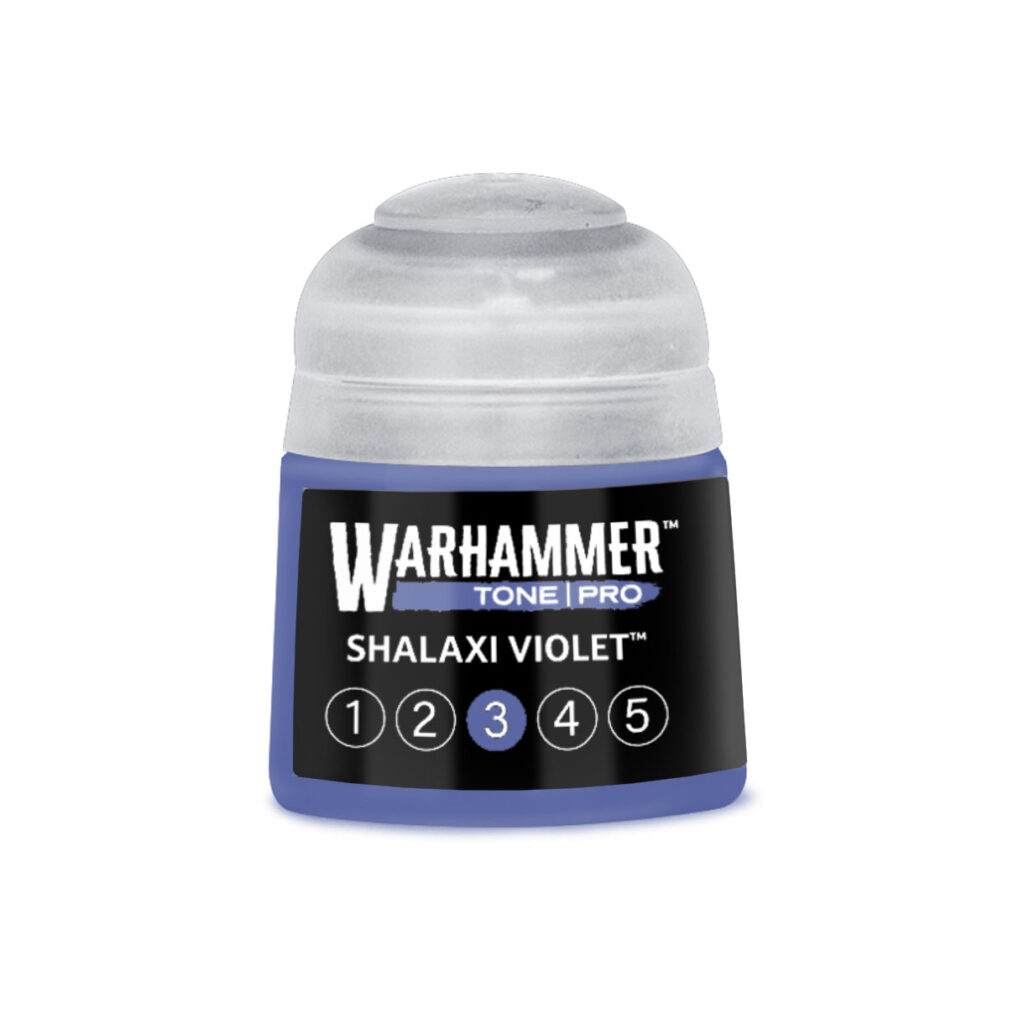
Warhammer Colour: Tone Pro Shalaxi Violet 12ml
£3.69 -
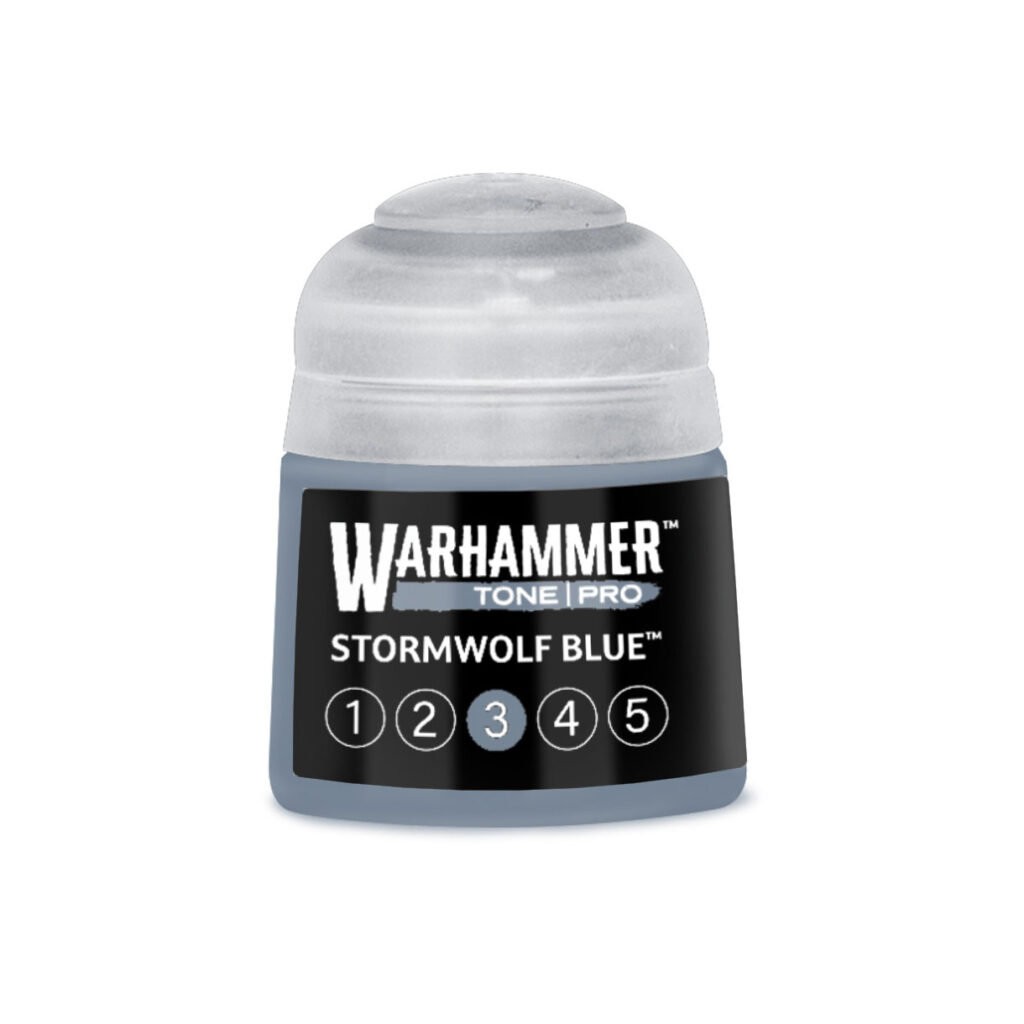
Warhammer Colour: Tone Pro Stormwolf Blue 12ml
£3.69 -
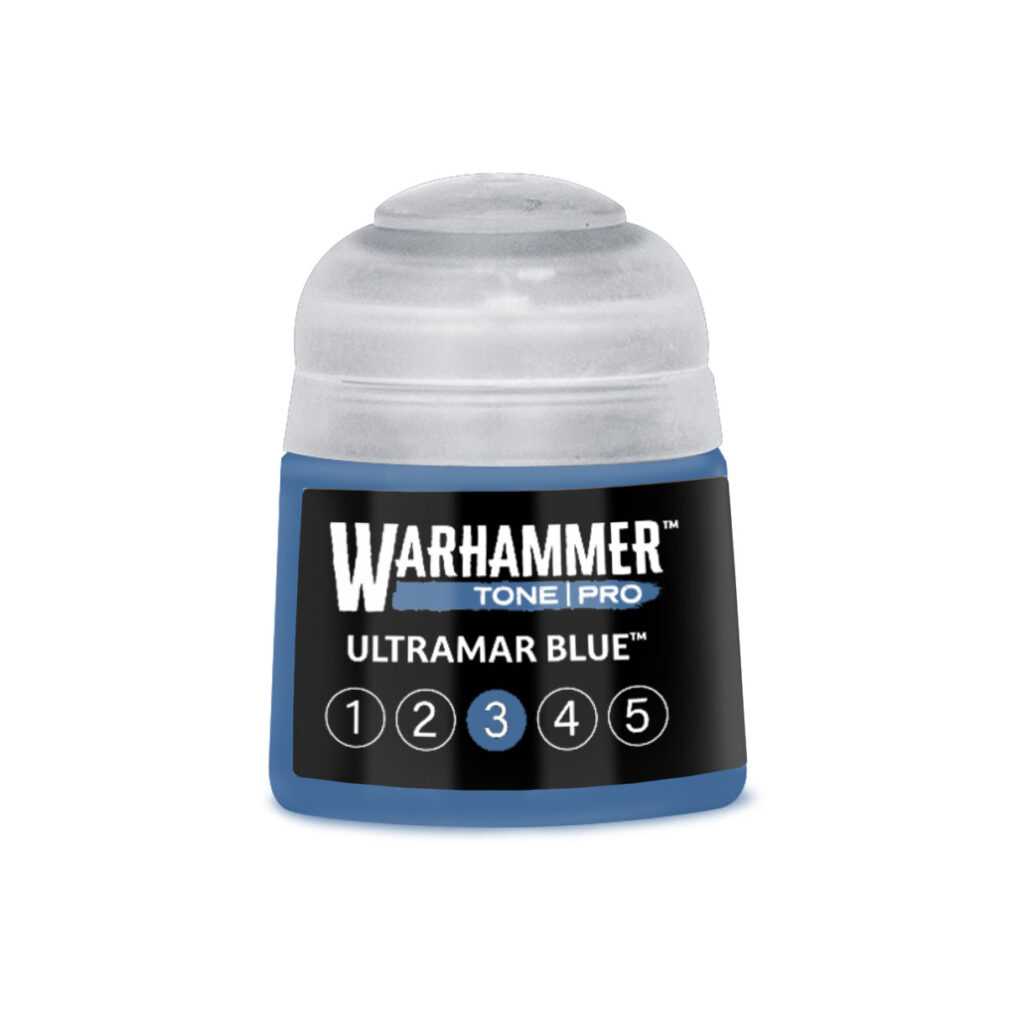
Warhammer Colour: Tone Pro Ultramar Blue 12ml
£3.69 -
Warhammer Colour: Tech Pro Shading Medium (18ml)
£4.41 -
Warhammer Colour: Tech Pro Blending Medium (18ml)
£4.41
Do you need new brushes too?
If your brushes are still doing a good job, keep using them. The new drybrush range offers four sizes, from extra small to large, but they’re paintbrushes, not Pokémon. You don’t have to catch ’em all.
Drybrushing means removing most of the paint from the brush, then lightly sweeping it over the model so it catches raised details.
Choose a brush that suits the area you’re painting. A small detail and a great big piece of scenery don’t need the same approach.
If the brush you have already does the job, spend the time painting instead of replacing it. If it’s worn out or the wrong size, that’s a good reason to choose another.
If a new brush would help, our Pro Arte brush guide explains which shapes suit everyday painting, fine details and drybrushing.
So, one pot, three pots or five?
Here’s the quick version:
- Just curious about the range? Try one colour on a model you actually want to paint.
- Following a recipe? Buy the numbered tones it lists. The red and yellow examples above use three; the blue uses five.
- Planning a special model? Choose the extra colours or medium that will help you achieve the finish you have in mind.
- Starting from scratch? Remember the other colours, brushes and basics needed to finish the whole model.
Before ordering, check that you’ve selected the right numbered tones on each product page. Bloodtoof Red 3 and Bloodtoof Red 5 belong to the same family, but they’re doing different jobs.
Then make a little space on the painting desk. Or at least move the unfinished dragon far enough to one side that your elbows fit.
The best bit comes after choosing the paints
There’s a lovely moment when the first main colour goes onto a model. All those little details start to make sense, and you can finally see the miniature you imagined when you opened the box.
That’s what a good first Tone Pro purchase should lead to.
It might take three reds, five blues or a single colour that gives an old project a fresh start. Pick something you’re excited to paint, keep the first steps manageable, and enjoy seeing it come together.
If you’d like to see how our own first experiment went, our Tone Pro first-impressions article follows the Blood Angels Space Marine we painted with the sample pots. Or explore the Tone Pro range at Bomran and choose the colours for your next project.
That waiting squad has been patient long enough.