




If you’ve ever gathered a group of friends around a table, rolled dice, and found yourself lost in a world of fantastical creatures and epic quests, then you already know the magic of Dungeons & Dragons (D&D). At Bomran, we’re passionate about creating unforgettable gaming experiences. Whether you’re a seasoned Dungeon Master (DM) or a newcomer eager to embark on your first campaign, having the right tools at your fingertips can elevate your game from ordinary to legendary.
Bomran is all about equipping adventurers with the knowledge and resources they need to conquer their campaigns with confidence. From gaming tips to accessories that truly make a difference, our mission is to ensure your table is the centre of adventure, laughter, and unforgettable storytelling. And speaking of tools… let’s dive into the top five accessories every Dungeon Master needs to rule their table with flair. View our full range of D&D products here!
Unlocking the Role: What it Really Means to Be a Dungeon Master
Being a Dungeon Master is more than just guiding a story; it’s being the architect of imagination. You are the mastermind behind the world your players explore, the storyteller who sets the tone, the referee who ensures fairness, and the friend who keeps the laughter flowing. In essence, you are the lifeblood of every campaign.
A DM doesn’t simply narrate events – they craft experiences. From plotting intricate story arcs to improvising when your players inevitably go off-script, your creativity is constantly in motion. The best DMs blend strategy with empathy, ensuring every player feels engaged, challenged, and entertained. And while the role is demanding, it’s also deeply rewarding. With the right accessories, you can take your campaigns from memorable to absolutely epic.
Dungeon Master Superpowers: Key Responsibilities of the Ultimate Storyteller
Being a DM isn’t just about rolling dice and reading pre-written scenarios. It’s a multifaceted role that demands attention to detail, creativity, and patience. Here’s what makes a great DM stand out:
World Building
You’re not just describing a forest or a tavern; you’re creating an entire universe. The more immersive your world, the more your players feel they belong to it. Thoughtful world-building includes history, politics, cultures, and even the smallest details like local cuisine or folklore. A well-crafted world allows players to explore organically and feel the consequences of their actions in meaningful ways.
Storytelling Mastery
Every encounter, plot twist, or sudden betrayal falls under your narrative control. Crafting a compelling story keeps players invested and eager for the next session. Great storytelling balances tension, humour, and drama to create a dynamic narrative flow. It also involves understanding pacing so that action sequences and quieter moments complement each other seamlessly.
Game Rule Management
Knowing the rules inside out, while also being flexible when needed, ensures a fair and enjoyable game. Sometimes improvisation is just as important as adherence. A DM must interpret rules on the fly and make quick decisions that maintain balance without stifling creativity. This ensures the game remains fun, challenging, and coherent for all players at the table.
Player Engagement
A DM’s job is to ensure every player has their moment to shine. Balancing attention across the table can be tricky, but it’s essential for group cohesion. Encouraging dialogue, collaboration, and roleplay helps players feel valued and connected to the story. Recognising individual player strengths and tailoring challenges accordingly keeps the entire group invested and motivated.
Problem Solving and Improvisation
Players will always find ways to break the script. A skilled DM thinks on their feet, turning unexpected twists into thrilling narrative opportunities. Improvisation often leads to the most memorable moments of a campaign, and quick thinking can turn potential chaos into brilliance. Being prepared to adapt ensures the story remains cohesive while giving players freedom to explore.
Atmosphere Creation
Music, props, lighting, and visuals can transform a simple session into an unforgettable adventure. Creating an environment that stimulates the imagination enhances immersion exponentially. Using thematic elements like sound effects or candlelight can evoke emotion and heighten tension during key scenes. Even small gestures, like unique character voices or handouts, make the world feel tangible and alive.
In short, a DM wears many hats: storyteller, mediator, referee, and entertainer all rolled into one. And while it may seem daunting, the right accessories can make these responsibilities more manageable – and far more enjoyable.
Top 5 Accessories Every Dungeon Master Needs
Every Dungeon Master knows that a campaign’s success depends not only on creativity but also on the tools at hand. Having the right accessories can turn a good session into a truly unforgettable adventure. From enhancing immersion to keeping gameplay organised, these tools empower DMs to focus on what really matters: storytelling, strategy, and fun. Here’s our ultimate list of accessories that can elevate any session:
1. Dice of Every Shape and Size
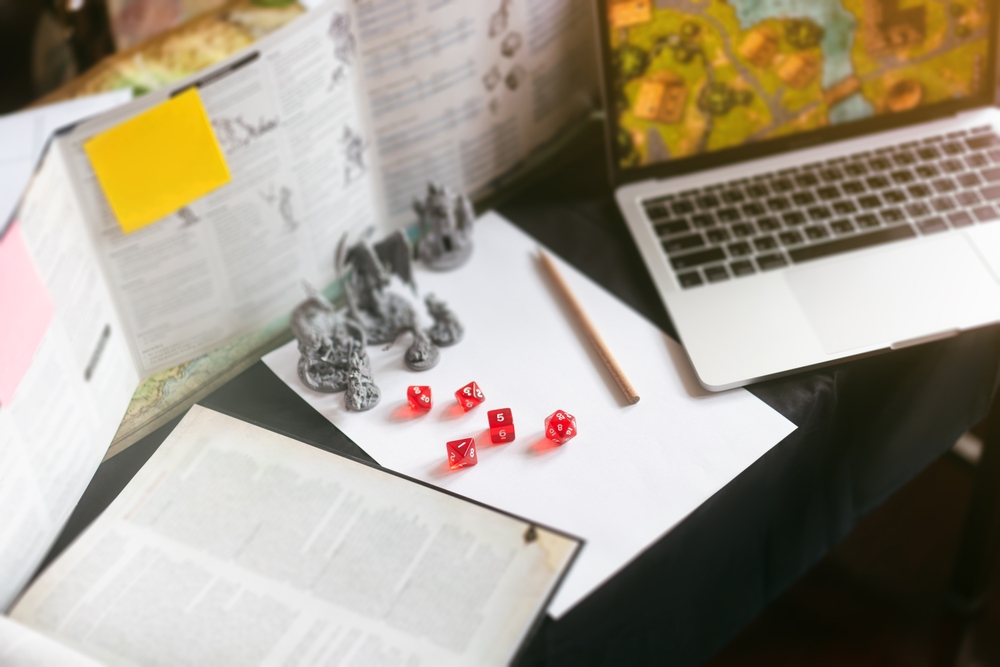
Dice are the heartbeat of D&D, and having the right set is non-negotiable. While standard polyhedral dice are essential, having multiple sets or speciality dice can add flair to your sessions. Some DMs even use weighted or themed dice to bring a personal touch to encounters. A beautifully crafted set can also serve as a visual focal point, reminding players of the game’s magic before the first roll is made.
Pro tip: Consider investing in a dice tray to keep rolls contained and add a satisfying clatter to the table. It’s both practical and theatrical. Additionally, having a variety of dice colours and styles can help differentiate between player and DM rolls, preventing confusion. Special edition dice also make excellent conversation starters and can become cherished collectables for your gaming group.
2. DM Screen
The DM screen is more than just a shield for secret information; it’s a storytelling tool. It provides quick access to rules, stats, and charts, while also hiding your notes and plans from inquisitive players. Modern screens often come with illustrations, encounter tables, and even charts for critical hits or random events.
A good screen not only streamlines gameplay but also adds to the theatricality of your role. Flipping it open signals that the adventure is about to begin, setting the mood for epic storytelling. It also allows you to reference important mechanics quickly without interrupting the flow of the game. Many DMs even customise their screens with artwork or house rules, making it uniquely theirs and more immersive for the table.
3. Miniatures and Maps
Visual aids are invaluable. Miniatures help players visualise battles and understand spatial dynamics, while maps guide their journey through dungeons, forests, and cities. Even a simple grid mat can turn a vague scenario into a strategic and engaging encounter.
Whether you prefer hand-painted miniatures, digital maps, or DIY options, the tactile element adds depth to gameplay. Players love moving their characters around the board—it turns abstract decisions into tangible experiences. Detailed maps also encourage strategic thinking, allowing players to plan their moves carefully. Miniatures can even inspire story elements, as unique character or monster designs often spark unexpected narrative developments.
4. Adventure Notebooks and Journals
Keeping your notes organised is crucial for any DM. A dedicated journal allows you to track campaigns, plot arcs, NPCs, and player decisions. The best DMs can recall obscure details, and a well-kept notebook makes that possible.
You can also use notebooks for world-building, recording house rules, or even sketching maps and character designs. When your notes are easily accessible, you spend less time searching and more time immersed in the story. Journals also serve as a creative outlet, letting you experiment with narrative ideas before presenting them to your players. Over time, they become invaluable archives of your campaigns, preserving stories that can be revisited or expanded upon in future adventures.
5. Soundscapes and Music
Ambient sounds and music can transform your sessions from ordinary to cinematic. From the roar of a dragon to the whispers of a haunted forest, sound effects engage players’ senses in ways that words alone cannot.
Apps, playlists, or soundboards allow you to cue music at the perfect moment, enhancing tension, excitement, or comedy. The right soundtrack can even inspire improvisation and deepen immersion. Music also helps set pacing, subtly signalling shifts from calm exploration to high-stakes combat. Incorporating recurring themes for certain characters or locations can make your world feel cohesive and emotionally resonant.
While creativity and storytelling are the true core of being a Dungeon Master, having the right accessories enhances your efficiency, organisation, and overall enjoyment. Dice, screens, miniatures, journals, and music aren’t just tools—they’re keys to unlocking memorable, immersive adventures. Investing in these essentials allows you to focus on crafting unforgettable moments and ensures your players remain fully engaged. With the right preparation, your table transforms from a simple game night into a legendary campaign that players will talk about for years.
Bomran’s Top D&D Tips!
At Bomran, we don’t just provide tools; we provide insights to make your campaign legendary. Here are a few of our top tips for DMs:
Know Your Players
Tailor encounters to your group’s play style, balancing combat, exploration, and roleplay.
Prep, but Stay Flexible
Always have a plan, but embrace player creativity—they’ll surprise you.
Encourage Roleplay
Reward creativity and character development; it makes sessions richer.
Use Props and Visuals
Even simple handouts or maps enhance immersion dramatically.
Take Notes During Sessions
Keep track of player decisions and story developments for continuity.
Celebrate the Story
Remember, the journey is more important than the outcome.
By applying these tips, you can create campaigns that feel dynamic, personalised, and truly unforgettable. Small touches, thoughtful preparation, and a willingness to embrace improvisation can turn any session into a story your players will remember for years. At Bomran, we believe that great adventures start with great DMs—and these tips are your stepping stones to legendary gameplay.
The Grand Finale: Elevate Your Campaigns
Being a Dungeon Master is an art, a science, and a performance all rolled into one. Your accessories are your tools, helping you shape immersive worlds, memorable encounters, and epic stories. With the right preparation and imagination, every session can be a triumph of creativity, laughter, and adventure. View our full range of D&D products here!
FAQs: Everything You Need to Know About Being a Dungeon Master
What exactly does a Dungeon Master do?
A DM designs and narrates the story, controls NPCs, enforces rules, and keeps players engaged.
Do I need expensive accessories to be a good DM?
Not at all! Creativity and preparation matter more, but certain accessories can enhance gameplay.
How many dice do I need as a DM?
At least one full polyhedral set, but having extras can help with multiple encounters and dramatic flair.
Can I DM without miniatures?
Yes, but miniatures help visualise battles and improve player engagement.
Is a DM screen necessary?
Not strictly, but it helps organise notes, reference rules quickly, and maintain mystery.
How do I manage multiple player characters?
Keep a clear record of stats, abilities, and story arcs, using journals or spreadsheets.
How do I keep the game interesting for all players?
Balance combat, puzzles, and roleplay while tailoring encounters to your group’s style.
Should I improvise or stick to the script?
Both! Prep the story, but always be ready to adapt to player decisions.
How can I make sessions more immersive?
Use music, props, lighting, and vivid descriptions to bring the world to life.
Can beginners become great DMs?
Absolutely! With practice, patience, and the right tools, anyone can master the role.