
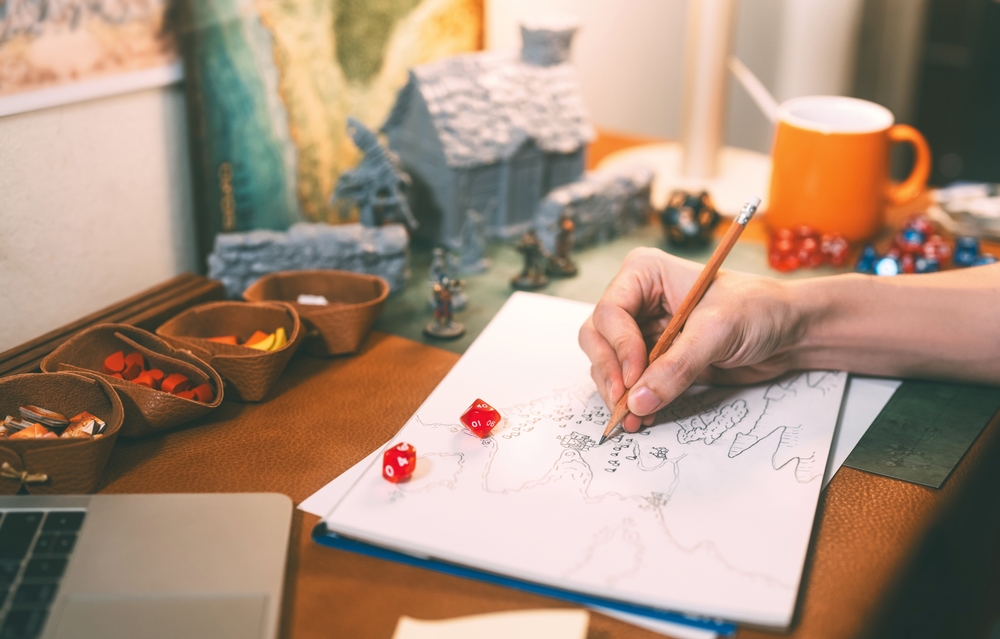
If you have ever watched friends roll unusual dice, speak in character and celebrate a perfectly timed natural 20, you have already seen part of what makes Dungeons & Dragons so enjoyable.
Dungeons & Dragons, usually shortened to D&D, is a tabletop role-playing game built around shared storytelling. One person guides the adventure as the Dungeon Master, while the other players create characters and decide how they respond to the people, places and challenges they encounter.
You do not need to memorise every rule or buy a large collection of books before your first game. If the different editions are confusing, our D&D 2024 vs 2014 guide explains compatibility and which version to choose. A beginner-friendly starter set, a small group and a willingness to learn together are enough to begin.
In this Dungeons & Dragons beginner guide, we will explain how the game works, what you need for your first campaign and how to make that first session enjoyable for everyone around the table.
What Is Dungeons & Dragons?
Dungeons & Dragons is a tabletop role-playing game where players take the roles of fictional characters in a shared fantasy world. Unlike a traditional board game, there is no fixed route to victory. The story develops through conversation, decisions and dice rolls.
One player becomes the Dungeon Master, often shortened to DM. The Dungeon Master describes the world, presents challenges and controls the characters and creatures the party meets. Everyone else creates an adventurer, such as a fighter, rogue, cleric or wizard, and decides what that character says and does.
A typical moment begins with the Dungeon Master describing a situation. The players explain how their characters respond, and a dice roll may decide whether a difficult action succeeds. The twenty-sided die, known as a d20, is used for many attacks, checks and saving throws.
The real attraction is that nobody knows exactly where the story will go. Your group is not following a script. You are building the adventure together.
How Do You Start Your First D&D Campaign?
Starting a campaign can sound like a large commitment, but your first adventure can be deliberately small. You need a group, somebody willing to be the Dungeon Master and a simple adventure that gives everyone room to learn.
1. Gather Your Group
D&D can work with a Dungeon Master and two players, although many groups feel comfortable with three to five adventurers plus the DM. A smaller table is often easier for a first game because everybody gets more opportunities to contribute.
You can play around a table, online or with a mixture of both. Choose the arrangement that makes it easiest for the group to meet regularly. A short monthly game that actually happens is better than an ambitious weekly campaign that nobody can attend.
2. Choose a Dungeon Master
The Dungeon Master introduces the setting, plays the supporting characters and helps resolve the party’s actions. They are not competing against the players. Their job is to create interesting choices and keep the game moving.
A new Dungeon Master does not need to remember every rule. A starter adventure provides the structure, locations and encounters, leaving the DM free to concentrate on the players and the story.
3. Create or Choose Your Characters
Each player needs a character. A character is described by a species, class, background, abilities and equipment. Current D&D rules use the term species for options such as human, elf, dwarf and halfling.
Creating a character is enjoyable, but ready-made characters are helpful when a group wants to begin quickly. Your first character does not need to be perfectly optimised. Choose an idea you will enjoy playing and allow the character’s personality to develop through the adventure.
4. Agree on the Style of Game
Before play begins, spend a few minutes discussing the kind of adventure everybody wants. Some groups enjoy tactical battles, while others prefer exploration, mysteries or character-driven role-play. Most campaigns contain a mixture.
This conversation is often called a session zero. It is also a good time to discuss scheduling, the expected tone and any themes people would rather avoid. A little preparation helps everyone feel comfortable and included.
What Do You Need to Play Dungeons & Dragons?
The basic list is pleasantly short:
- A Dungeon Master and a group of players
- An adventure or campaign idea
- Character sheets
- Pencils and paper for notes
- At least one set of polyhedral dice
- Access to the game rules
You can use the official free rules while learning, so a shelf full of books is not required for the first session. Physical rulebooks become useful when the group wants more character choices, monsters, advice and campaign-building material.
Miniatures, maps, dice trays, Dungeon Master screens and accessories can make play more convenient or atmospheric, but they are additions rather than barriers to entry.
What Should You Buy to Start Playing D&D?
A Dungeons & Dragons starter set is usually the simplest introduction because it brings the most important materials together in one box. Depending on the set, this can include a beginner-friendly adventure, rules, dice, maps and ready-made characters.
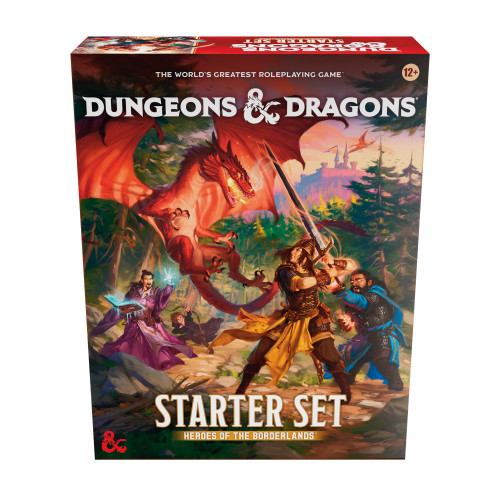
Dungeons & Dragons Starter Set: Heroes of the Borderlands is the current recommended starting point for a new group. It provides a structured introduction to the game and helps new players and Dungeon Masters begin without needing to assemble everything separately.
If you are choosing between the two current boxes, our D&D starter set comparison explains whether Heroes of the Borderlands or Welcome to the Hellfire Club is the better fit for your group.
If your group is happy using the free rules, you can also begin with character sheets, pencils and a set of polyhedral dice. Rulebooks, miniatures, maps, screens and accessories can then be added as the campaign develops.
Choose the option that helps your group play sooner. Your first purchase does not need to contain everything you might eventually use.
Choosing a Beginner-Friendly Adventure
A first-time Dungeon Master can save a great deal of preparation by using a published adventure. It supplies the locations, characters, monsters and story outline, while still leaving the group free to make meaningful choices.
Begin with a short objective and a manageable number of characters. You do not need a detailed history for an entire fantasy continent before the players enter their first tavern or dungeon.
If you would like to compare D&D with other styles of tabletop storytelling, our guide to fantasy role-playing games provides a wider introduction to the hobby.
Playing Your First Session
Your opening session is where the rules and characters begin to make sense. The Dungeon Master describes the first scene, the players introduce their adventurers and the group starts making decisions together.
Do not stop for a lengthy rules search every time something unexpected happens. If the answer cannot be found quickly, the Dungeon Master can make a fair temporary decision and check the exact rule after the game. Keeping the adventure moving is usually more helpful to beginners.
Give every player a chance to contribute. Some people will immediately speak in character, while others prefer to describe what their adventurer does. Both approaches are valid.
Helpful Tips for New D&D Players
Do Not Try to Memorise Everything
Learn the parts of the character sheet you use most often and ask questions when you need help. Even experienced players check rules during a game.
Describe What You Want to Achieve
You do not always need to know the name of a rule or skill. Tell the Dungeon Master what your character is attempting, and they can explain whether a roll is needed.
Make Space for the Other Players
D&D is collaborative. Invite quieter players into conversations and avoid making every important decision on behalf of the group.
Take Useful Notes
Write down the names of important people, places and clues. A few short notes will make it much easier to remember what happened between sessions.
Accept That Plans Will Change
Players will surprise the Dungeon Master, dice will produce unexpected results and apparently simple decisions may change the direction of the story. That unpredictability is part of the fun.
D&D Books, Dice and Accessories
Once the group knows it wants to continue, you can add the products that solve a genuine need. Players may want their own dice and a Player’s Handbook, while the Dungeon Master may benefit from additional rules, adventures, a screen or monster references.
Accessories also help keep a busy table organised. Dice trays prevent rolls disappearing under furniture, card sleeves protect frequently handled reference cards and storage makes it easier to keep a campaign together between sessions.
You can browse the full Dungeons & Dragons range or explore Dragon Shield accessories when you are ready to expand your setup.
Your First Adventure Starts Here
Your first Dungeons & Dragons campaign does not need elaborate scenery, perfect character voices or a Dungeon Master who knows every rule. It simply needs a group that is willing to make decisions, roll some dice and discover where the story leads.
Begin with a manageable adventure and let everyone learn together. Rules can be checked when necessary, characters will develop through play and the moments nobody planned will often become the ones your group remembers.
If you would like to browse in person, our guide to buying Dungeons & Dragons in Essex explains what you can find at Bomran Games in Corringham.
Choose Your Next D&D Guide
If you are completely new, begin with our guide to what Dungeons & Dragons is and how it works. When you are ready to take part, learn how to create your first D&D character and find out what each D&D die does.
Before the first session, our D&D beginner’s buying guide explains what your group genuinely needs, while our D&D game-night guide helps everybody prepare for an organised evening. New Dungeon Masters can continue with advice on running a first campaign, building a memorable world and choosing useful Dungeon Master accessories.
You can also discover why D&D remains so popular or read our guide to buying Dungeons & Dragons in Essex if you would like to visit Bomran Games in Corringham.
Frequently Asked Questions
Do I need experience to play D&D?
No. A beginner-friendly adventure introduces the rules gradually, and the group can learn together while playing.
How many people do I need?
You need one Dungeon Master and at least two players. Many groups enjoy playing with three to five adventurers.
Do I need expensive equipment?
No. You can begin with the free rules, character sheets, pencils and dice. A current starter set makes the first adventure easier to organise by bringing useful materials together.
How long does a D&D session last?
Many sessions last between two and four hours, but a shorter game can work well for beginners and younger players.
Can I play D&D online?
Yes. Voice chat, shared character sheets and virtual tabletops allow a group to play even when everyone cannot meet in person.
Is D&D suitable for younger players?
Yes, when the adventure, session length and themes are chosen for the age and interests of the group. A supportive adult Dungeon Master can make the game especially approachable.