





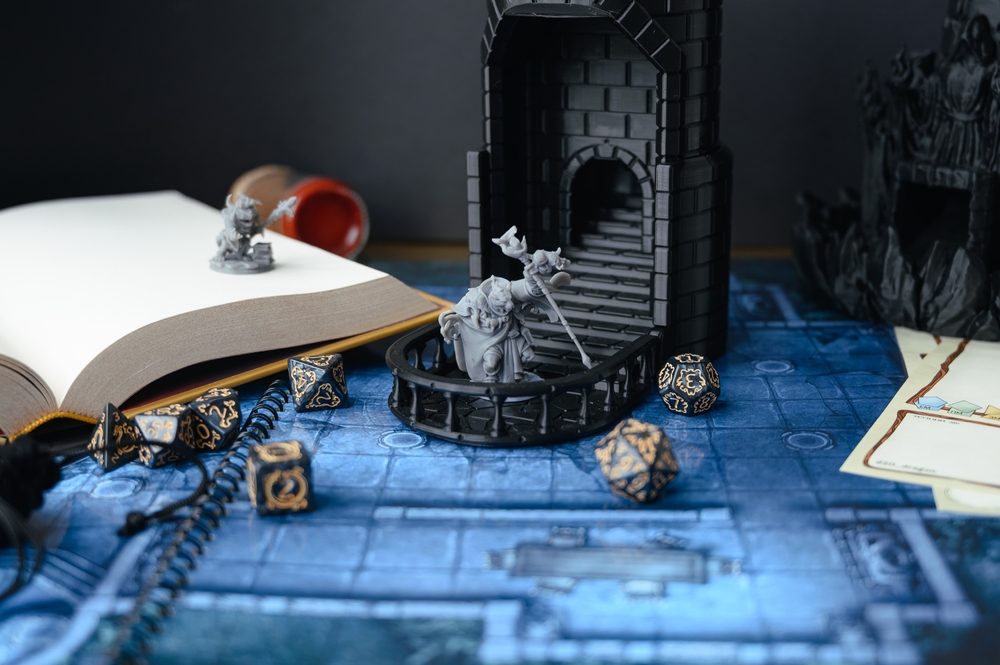
Fantasy role-playing games (RPGs) have never been more exciting than they are in 2026. From tabletop classics to immersive digital universes, RPGs continue to capture the imagination of players across the UK and beyond. Whether you’re slaying dragons with friends around a table or exploring vast online kingdoms from your sofa, RPGs offer a unique blend of storytelling, strategy, and creativity.
At Bomran, we’re passionate about helping players dive deeper into the worlds they love. Our curated selection of role-playing games are designed for both newcomers and seasoned adventurers looking to expand their collections. In this guide, we’ll explore everything you need to know about RPGs in 2026 – from what they are to why they’ve become one of the most beloved forms of entertainment in the world. So grab your dice, sharpen your swords, and prepare for an epic journey into the realm of fantasy RPGs.
What is an RPG? A Gateway to Infinite Worlds
At its heart, a role-playing game (RPG) is a form of interactive storytelling where players take on the roles of characters in a fictional world. Unlike traditional games with fixed rules and outcomes, RPGs are shaped by imagination, decisions, and narrative freedom.
Players typically create a character with unique abilities, traits, and backstories, then embark on quests guided by a game master (in tabletop RPGs) or a game engine (in video RPGs). Every choice matters, shaping the story in real time.
Key elements of RPGs include:
Living Stories You Control
A role-playing game (RPG) is an interactive storytelling experience where players step into the shoes of fictional characters. Instead of following a fixed path, the story unfolds based on imagination and player choices. Every decision can shift the direction of the adventure in unexpected ways.
Characters That Feel Real
In RPGs, players create characters with unique skills, personalities, and backstories. These characters become the lens through which the world is experienced. As the game progresses, they grow, evolve, and develop in response to events.
Guided by Storytellers or Systems
Tabletop RPGs are often led by a game master who narrates the world and controls challenges. In digital RPGs, a game engine takes on this role, responding dynamically to player actions. Either way, the world reacts to what players choose to do.
Choices That Truly Matter
Every action in an RPG can influence the outcome of the story. Decisions may affect relationships, unlock new paths, or change the world itself. This creates a strong sense of agency and consequence.
Core Elements That Shape the Experience
RPGs typically include character creation, story-driven gameplay, and decision-making with consequences. They also feature exploration, either solo or with others, and mechanics like dice rolls or combat systems. Together, these elements build a structured yet flexible storytelling framework.
More Than Just a Game
RPGs go beyond entertainment by creating shared narrative experiences. Players can become heroes, villains, or anything in between within the same world. It’s a form of collaborative storytelling where imagination is the only real limit.
RPGs are more than just games – they’re shared storytelling experiences where players become heroes, villains, explorers, or even gods of their own destiny.
Types of RPGs: Exploring Every Realm of Adventure
The RPG universe is vast and wonderfully diverse. In 2026, players can choose from multiple styles depending on their preferred playstyle and storytelling experience.
Tabletop RPGs (TTRPGs)
These are the classic pen-and-paper games like Dungeons & Dragons. Players gather in person or online, using dice, rulebooks, and imagination to guide the story. A game master narrates the world and controls non-player characters.
Digital RPGs (Video Games)
These include immersive titles like open-world adventures and story-rich console or PC games. Players explore vast environments, complete quests, and level up characters in visually stunning worlds.
MMORPGs (Massively Multiplayer Online RPGs)
Games like these allow thousands of players to interact in persistent online worlds. Guilds, raids, trading, and real-time combat make them highly social experiences.
Tactical RPGs
These focus on strategic, turn-based combat. Every move matters, and positioning is often as important as character abilities.
Sandbox RPGs
These give players complete freedom to shape their world, often blending crafting, exploration, and open-ended storytelling.
Live Action RPGs (LARP)
Players physically act out their characters in real-world environments, using costumes and props for immersive storytelling.
Each type offers a different flavour of adventure, but all share the same core principle: storytelling powered by imagination.
The Ultimate Guide to Fantasy Role-Playing Games (RPGs) in 2026
Fantasy RPGs in 2026 are bigger, bolder, and more immersive than ever before. Thanks to advancements in technology and game design, players can experience worlds that feel truly alive. These games now blend storytelling, mechanics, and technology in ways that were unimaginable just a few years ago. As a result, RPGs have become one of the most dynamic forms of entertainment available today.
Modern players aren’t just observing stories anymore – they’re actively shaping them in real time. Whether through choice-driven narratives or fully simulated worlds, immersion is at an all-time high. Developers are constantly pushing boundaries to make every experience feel unique and personal.
1. Hyper-Immersive Storytelling
Modern RPGs now use AI-driven narratives and branching storylines that adapt to player decisions in real time. No two playthroughs are ever the same. This creates a level of unpredictability that keeps players engaged for longer. It also means stories can feel more organic and emotionally impactful.
These systems analyse player behaviour and adjust dialogue, quests, and outcomes accordingly. Even small choices can ripple into major story changes later on. This makes every decision feel meaningful and worth considering carefully.
2. Cross-Platform Play
Whether you’re on console, PC, or mobile, RPGs now seamlessly connect players across platforms, making it easier than ever to adventure with friends. This removes traditional barriers that once separated gaming communities. Now, players can team up regardless of their chosen device.
Cross-platform systems also help keep game worlds active and populated. Matchmaking is faster, and cooperative play is more accessible than ever before. It’s a major step forward in building global RPG communities.
3. Enhanced Virtual Reality Integration
VR RPGs are becoming mainstream, allowing players to physically step inside fantasy worlds and interact with environments in real time. This adds a new layer of immersion that traditional screens can’t match. Players can swing swords, cast spells, and explore dungeons as if they were truly there.
Haptic feedback and motion tracking enhance the realism even further. Developers are designing entire worlds specifically for VR interaction. It’s turning fantasy role-playing into a fully physical experience.
4. Smarter NPCs
Non-player characters now react dynamically to player choices, remembering past interactions and evolving relationships. This makes NPCs feel more like real individuals than scripted elements. Conversations can change based on reputation, alliances, or past decisions.
Some NPCs even develop long-term story arcs that run parallel to the player’s journey. This creates deeper emotional connections within the game world. It also encourages players to think carefully about how they treat others.
5. Community-Driven Worlds
Many RPGs now feature player-generated content, meaning the community actively shapes quests, locations, and even story arcs. This turns players into co-creators of the game world. It adds endless variety and creativity to the experience.
Developers often highlight the best community content in official updates. This creates a strong sense of ownership and collaboration. The game evolves constantly based on the players’ imagination.
6. Hybrid Tabletop-Digital Experiences
Tabletop RPGs are blending with digital tools like virtual dice rollers, AI dungeon masters, and immersive soundscapes. This makes traditional gaming more accessible and modern. Players can now enjoy tabletop experiences online with ease.
These tools also help reduce setup time and improve storytelling flow. Game masters can focus more on narrative and creativity. It’s a perfect balance between classic and modern RPG design.
7. Expansive Open Worlds
Fantasy worlds are larger and more detailed than ever, filled with secrets, side quests, and evolving ecosystems. Exploration has become a core part of the experience. Players are rewarded for curiosity and experimentation.
These worlds often change based on player actions and global events. Weather systems, economies, and factions all interact dynamically. It creates a living, breathing environment that feels truly alive.
8. Deep Customisation Systems
Players can now customise characters with incredible depth—from appearance to moral alignment and skill trees. This allows for highly personalised gameplay experiences. No two characters feel the same.
Customisation also affects how the story unfolds and how NPCs react. Players can build unique identities that reflect their playstyle. This level of freedom enhances replayability significantly.
9. Live Seasonal Events
Games now evolve with live events that change the world, introduce new threats, and keep gameplay fresh. These events often tie into ongoing storylines. They give players new reasons to return regularly.
Seasonal updates can dramatically alter maps, characters, or gameplay mechanics. This keeps the world feeling alive and constantly evolving. It also strengthens long-term engagement.
10. Accessibility Improvements
RPGs in 2026 are more inclusive, with features designed for all abilities, ensuring everyone can enjoy the adventure. Options like custom controls, visual aids, and adaptive difficulty are now standard. This opens up RPGs to a much wider audience.
Developers are also prioritising mental and physical accessibility in design. These improvements make gameplay smoother and more enjoyable for all. It reflects a growing commitment to inclusive gaming.
Fantasy RPGs are no longer just games – they’re living worlds that grow and adapt alongside their players. As technology continues to evolve, so too will the depth and creativity of these incredible experiences.
Why People Love RPGs: The Magic Behind the Obsession
1. Total Creative Freedom
Players are free to make decisions that shape their journey, from heroic acts to morally grey choices.
2. Escapism and Fantasy
RPGs provide a break from reality, transporting players into magical worlds filled with dragons, wizards, and ancient mysteries.
3. Strong Social Connections
Whether playing with friends or meeting new people online, RPGs foster genuine social interaction and teamwork.
4. Character Growth
There’s something deeply satisfying about watching your character evolve from a novice adventurer into a legendary hero.
5. Emotional Storytelling
Modern RPGs often include rich narratives that explore themes like friendship, sacrifice, and destiny.
6. Problem-Solving and Strategy
Players are constantly challenged to think critically, solve puzzles, and make tactical decisions.
7. Endless Replayability
Because choices matter, RPGs rarely play the same way twice.
8. Personal Expression
Your character becomes an extension of yourself, allowing for creativity and self-expression.
9. Community and Belonging
RPG communities are known for being welcoming and passionate, making it easy to find like-minded players.
In Conclusion: The Endless Adventure Awaits
Fantasy role-playing games continue to thrive in 2026 because they offer something timeless – human creativity. Whether you prefer digital worlds or tabletop storytelling, RPGs invite you to step into another reality where you control your destiny.
From epic quests to quiet character moments, every session becomes a story worth remembering. And with retailers like Bomran offering a growing range of RPG products, there’s never been a better time to start – or continue – your adventure. The only limit is your imagination. View our full range of role-playing games here and start your journey!
FAQs
What does RPG stand for?
Role-Playing Game, where players take on fictional characters in a story-driven setting.
Are RPGs only fantasy-based?
No, they can also include sci-fi, horror, historical, and modern settings.
Do I need experience to start playing RPGs?
Not at all – many games are beginner-friendly and easy to learn.
What is the most popular RPG in the UK?
Tabletop games like Dungeons & Dragons remain extremely popular.
Can I play RPGs alone?
Yes, many digital RPGs and solo tabletop adventures exist.
What do I need for a tabletop RPG?
Usually, dice, a rulebook, character sheets, and imagination.
Are RPGs expensive to get into?
They can be very affordable, especially starter sets.
How long does a typical RPG session last?
Anywhere from 2 to 6 hours, depending on the group.
Can children play RPGs?
Yes, there are many family-friendly RPG systems available.
Ready to begin your adventure?
Explore Bomran’s collection of role-playing games today and discover your next epic quest.