





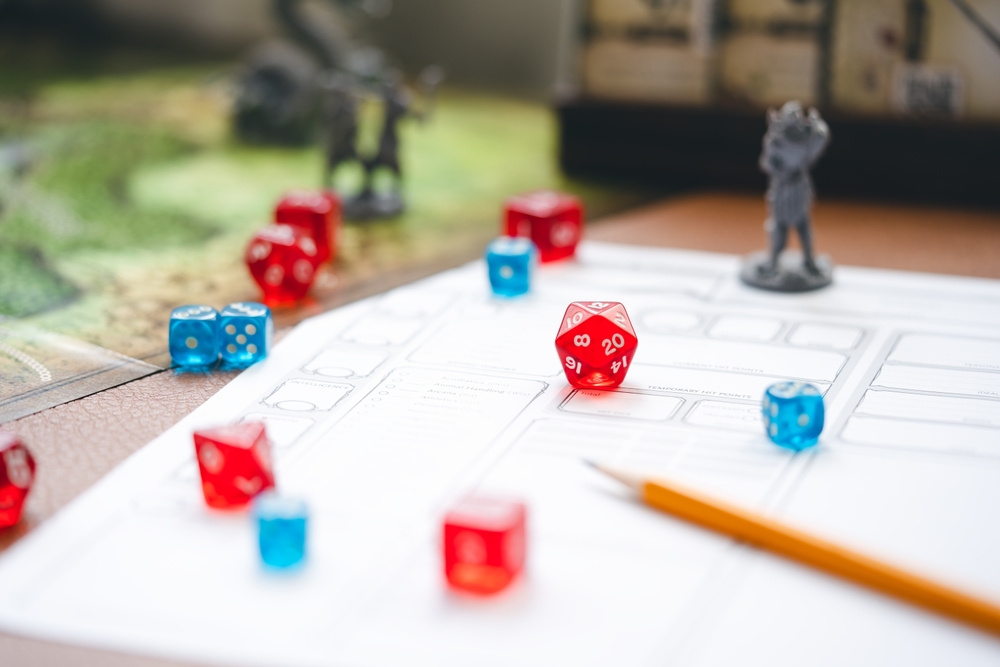
If you’re a Dungeon Master looking to spice up your tabletop adventures, you’ve just found your new favourite guide. Here at Bomran, we live and breathe creativity, storytelling, and imagination. Whether you’re brand new to Dungeons & Dragons or a seasoned dice-roller, our passion lies in helping you craft experiences that stay with your players long after the campaign ends. Bomran’s mission is to inspire and support worldbuilders, storytellers, and game lovers with ideas, tips, and resources that elevate game nights into unforgettable journeys.
This blog post is a treasure trove of ideas for DMs who want to make their worlds come alive. From the foundations of what D&D actually is, through to advanced tips for weaving characters and cultures together, we’ll explore how to build an adventure your players will talk about for years. We’ll also share Bomran’s top tips for unforgettable campaigns, guaranteed to level up your storytelling skills. So, grab your dice, sharpen your pencils, and let’s dive in. View our full range of D&D products here!
What is D&D?
Dungeons & Dragons, often simply called D&D, is the world’s most famous tabletop role-playing game. First published in the 1970s, it has since grown into a global phenomenon, influencing books, films, video games, and even TV shows like Stranger Things. At its heart, D&D is about collaborative storytelling. One player acts as the Dungeon Master (DM), creating the world, narrating the events, and controlling non-player characters (NPCs). The other players create and control their own characters, deciding what they do and how they react.
The magic of D&D is that no two games are ever the same. The story unfolds based on the choices players make, dice rolls, and the creativity of the DM. Whether your group is delving into a dragon’s lair, navigating the politics of a kingdom, or investigating eerie mysteries in a cursed village, the possibilities are endless. And the best part? You don’t need fancy equipment to play—just your imagination, a set of dice, and some good company.
Creative Worldbuilding: How to Make Your D&D Sessions Unforgettable
When it comes to D&D, the rules are important – but the world is what keeps people hooked. A bland or generic setting can make even the most exciting dungeon crawl feel flat. But a rich, immersive world? That’s where the real magic happens. Here’s how you can create worlds that sparkle with life, texture, and drama.
1. Build a Living, Breathing World
The key to unforgettable sessions is making your players feel like the world exists even when they’re not looking at it. Townsfolk have their own lives, kingdoms rise and fall, and trade routes thrive or fail depending on local politics. Add detail to your cities, forests, and dungeons that hints at a wider reality. Maybe the innkeeper is gossiping about a distant war, or a ruined tower has scorch marks from a long-forgotten battle. These touches make the world feel layered and alive.
2. Create History and Lore That Matters
Players love discovering hidden stories. Think beyond simple backdrops—develop myths, legends, and historical events that have shaped your setting. Was there an ancient war between elves and dwarves that still influences modern politics? Did a once-mighty empire collapse, leaving ruins scattered across the map? By tying quests and encounters to this history, players feel like they’re unravelling a grand tapestry rather than just fighting random monsters.
3. Cultivate Unique Cultures and Societies
Nothing kills immersion like cookie-cutter towns where everyone behaves the same. Make your cultures distinct—give them customs, traditions, religions, and quirks. Maybe a desert tribe believes the stars are the eyes of their ancestors, or a coastal kingdom celebrates an annual festival where they release lanterns into the sea. Encourage your players to interact with these cultural moments. It makes every new city or encounter feel fresh and engaging.
4. Design Memorable NPCs
NPCs are the soul of your campaign. Instead of flat characters who exist only to hand out quests, create people with goals, flaws, and personalities. Perhaps the town guard is terrified of combat but fiercely protective of his family, or the eccentric wizard has an obsession with hats. These quirks not only make NPCs memorable but also give players opportunities to role-play and connect with the world in unexpected ways.
5. Use Sensory Storytelling
When describing environments, go beyond “you see a forest.” What do the players smell, hear, or feel? Maybe the forest air is thick with damp moss, or the distant hoot of an owl gives the scene an eerie tone. These details immerse players and make locations feel tangible. It’s not just about what they’re doing, but how they’re experiencing the world through their characters.
6. Blend the Epic with the Personal
Your world should contain both sweeping story arcs and intimate, character-driven plots. While saving the realm from an ancient dragon is thrilling, what truly grips players is when the stakes connect personally. A villain who threatens a player’s hometown or a quest tied to a character’s family history creates investment and emotional payoff. Balance grandeur with intimacy for a truly unforgettable campaign.
7. Keep the World Dynamic and Reactive
Players love feeling like their actions matter. If they overthrow a corrupt baron, show the consequences—maybe the region flourishes, or perhaps it descends into chaos without strong leadership. The world should adapt to the choices players make. This responsiveness makes them feel like active participants in shaping the story, rather than passive adventurers being led through a script.
8. Play with Mystery and Discovery
A good campaign is sprinkled with secrets. Hidden passages, forgotten relics, cryptic prophecies—these give players the thrill of discovery. Don’t reveal everything at once; leave breadcrumbs that reward exploration and curiosity. The more mysteries your world holds, the more your players will lean in, eager to uncover what lies beneath the surface.
9. Use Conflict Beyond Combat
While battles are fun, conflict doesn’t always have to be about swords and spells. Consider political intrigue, moral dilemmas, or personal rivalries. Negotiating peace between feuding factions, deciding whether to save one village at the expense of another, or choosing whom to trust adds richness and depth. It challenges players to think creatively and role-play meaningfully.
10. Make Magic Feel Magical
Magic should feel wondrous, not just like another tool. Create unique spells, enchanted artefacts with backstories, or locations infused with mystical energy. Perhaps a forest is eternally autumn due to a spell gone wrong, or a cursed crown whispers secrets to whoever wears it. By making magic strange, mysterious, and awe-inspiring, you reinforce the sense of wonder that makes fantasy worlds so compelling.
Creative worldbuilding is about weaving together all these elements – history, culture, characters, mystery, and magic – into a world that feels alive and unpredictable. When players are drawn into a setting that breathes, reacts, and surprises them at every turn, your campaign shifts from being just a game to becoming a story they’re part of. By investing in these layers of detail, you’ll transform ordinary sessions into extraordinary adventures your group will talk about long after the dice have stopped rolling.
Bomran’s Top Tips for an Unforgettable D&D Campaign!
At Bomran, we’re passionate about taking your sessions from good to legendary. Here are our absolute top tips:
- Collaborate with Your Players
Invite them to contribute to the world. Ask about their characters’ backgrounds and weave those details into the main story. It builds buy-in and creates a truly collaborative narrative. When players see their personal ideas reflected in the world, it makes every decision and dice roll feel more meaningful.
- Plan, But Don’t Over-Plan
Preparation is key, but leave room for improvisation. Players will always surprise you. Be ready to roll with their wild ideas and let them shape the world alongside you. The most memorable moments often come from spontaneity rather than pre-written notes.
- Use Props and Visuals
Maps, handouts, and even simple sketches bring immersion to a whole new level. Players love something they can touch and see. These tangible details make the world feel less like imagination alone and more like a real, living place.
- Keep Sessions Player-Focused
It’s tempting to show off your worldbuilding, but remember the story is about the players. Let them drive the plot with their choices. When the spotlight shines on the characters, players become emotionally invested in the unfolding story.
- Pace Your Story
Mix up exploration, combat, and role-play. Variety keeps sessions fresh and ensures everyone has moments to shine. Balancing different styles of play helps every member of the group feel included and engaged.
- Reward Creativity
Encourage players to try unconventional solutions. If someone wants to distract guards with a song instead of sneaking, let it work (with a good dice roll, of course). Celebrating ingenuity reinforces the idea that clever thinking is just as valuable as brute force.
- End on a Cliffhanger
Nothing keeps players buzzing between sessions like a dramatic ending. Whether it’s a shocking betrayal, a sudden monster attack, or a cryptic prophecy, cliffhangers guarantee excitement for the next game. It ensures your players return eager and energised, already talking about what might happen next.
Bringing these tips together, you’ll find your campaign becoming less about mechanics and more about memorable moments. By encouraging collaboration, embracing improvisation, and keeping your players at the heart of the story, you’ll elevate your game from entertaining to extraordinary. After all, unforgettable sessions aren’t built on dice alone – they’re built on connection, creativity, and a shared sense of adventure.
In Conclusion: Forge Worlds That Spark Imagination
Dungeons & Dragons is more than a game – it’s an art form. Creative worldbuilding transforms dice rolls into epic tales of triumph, tragedy, and laughter. By weaving rich lore, designing memorable NPCs, and balancing epic stakes with personal stories, you can craft adventures that your players will never forget. With the right tools, a little imagination, and Bomran’s top tips, you’ll not only run a campaign – you’ll create legends. View our full range of D&D products here!
FAQs
Do I need to create an entire world before starting a D&D campaign?
Not at all! Start small, maybe with one town or region, and expand as your players explore.
How do I balance combat and role-play?
Mix things up. Alternate between battles, exploration, and character-driven moments to keep everyone engaged.
Should I let players influence the worldbuilding?
Yes! Collaborating with your players creates investment and makes the story feel personal.
How do I handle players going off-script?
Embrace it. Improvisation often leads to the most exciting and hilarious moments.
How much detail should I put into lore?
Enough to add depth, but not so much that it overwhelms players. Think flavour, not textbooks.
How do I keep long campaigns engaging?
Introduce new twists, personal stakes, and changing world events to keep the story dynamic.
Is it okay to borrow ideas from books and films?
Absolutely! Inspiration is everywhere. Just put your own spin on it.
Ready to create your unforgettable world?
At Bomran, we believe every DM has the power to create legendary adventures. With creativity, collaboration, and a touch of magic, your sessions can be more than just game nights – they can be stories your friends will reminisce about for years. So, what are you waiting for? Start worldbuilding today with Bomran by your side!