
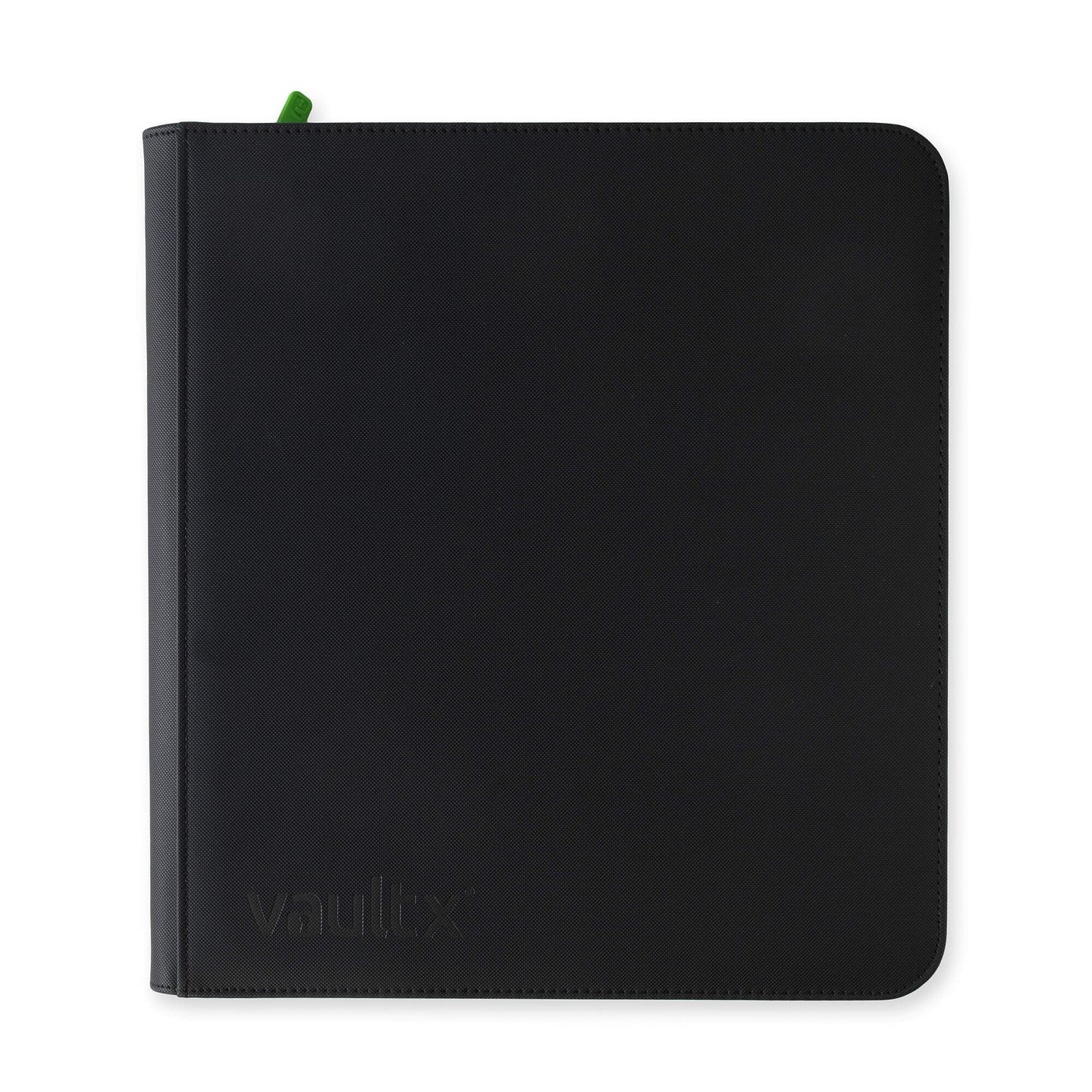
An empty pocket can be the most interesting thing in a binder. It might be waiting for the last card you need for your club, the fourth copy of a Magic staple, or the artwork you keep checking the swaps pile for. You know exactly what belongs there. When it finally turns up, sliding it into place feels absurdly good.
Running out of pockets has rather less charm. Take Match Attax 2026/27: the numbered checklist reaches 491. A 480-pocket binder gets tantalisingly close, then leaves eleven cards looking for a home. And that is before a tidy page layout starts using extra space.
Choosing between nine and twelve pockets is partly arithmetic and partly knowing what makes you want to turn the page. Here is how to get both right.
The Bomran Guide
Buying guide · 8-minute read
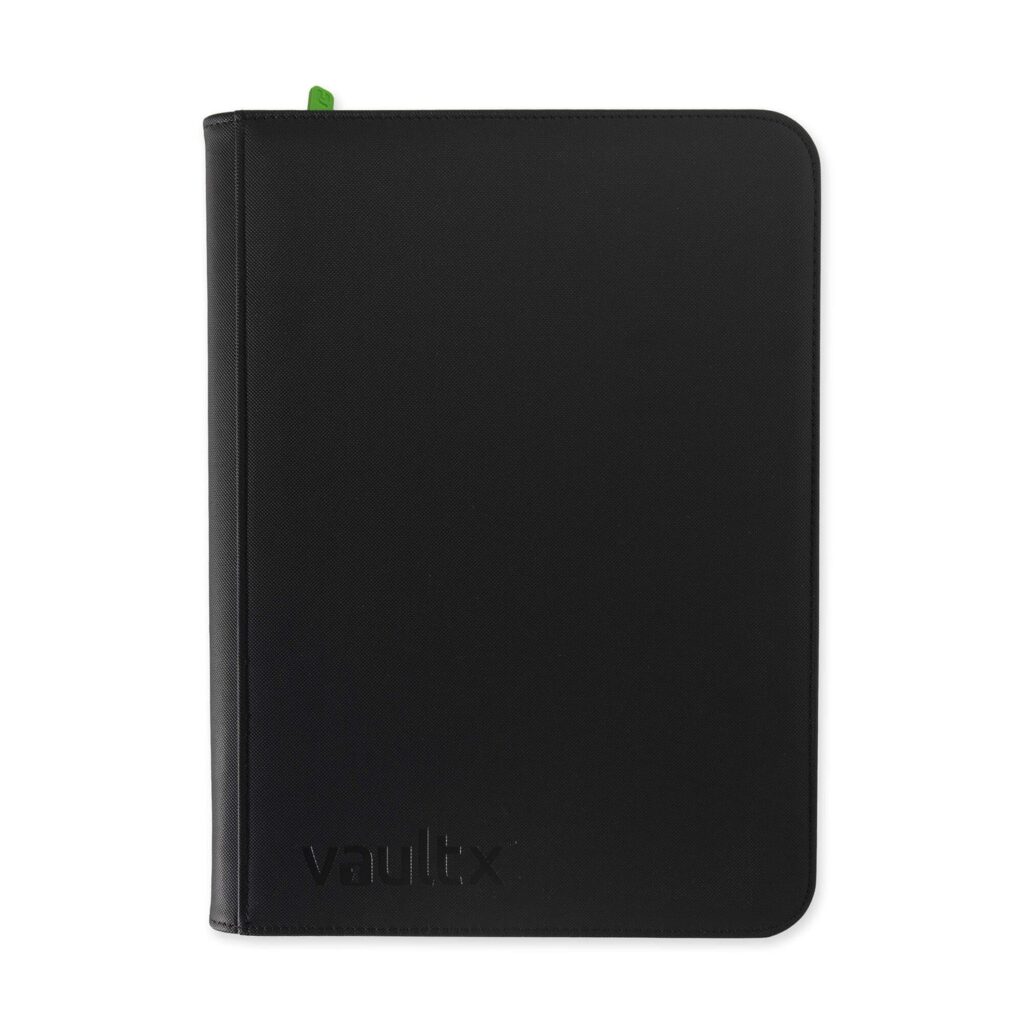
9-pocket, 360 spaces: the narrower option, with three-card rows, when your planned collection fits.
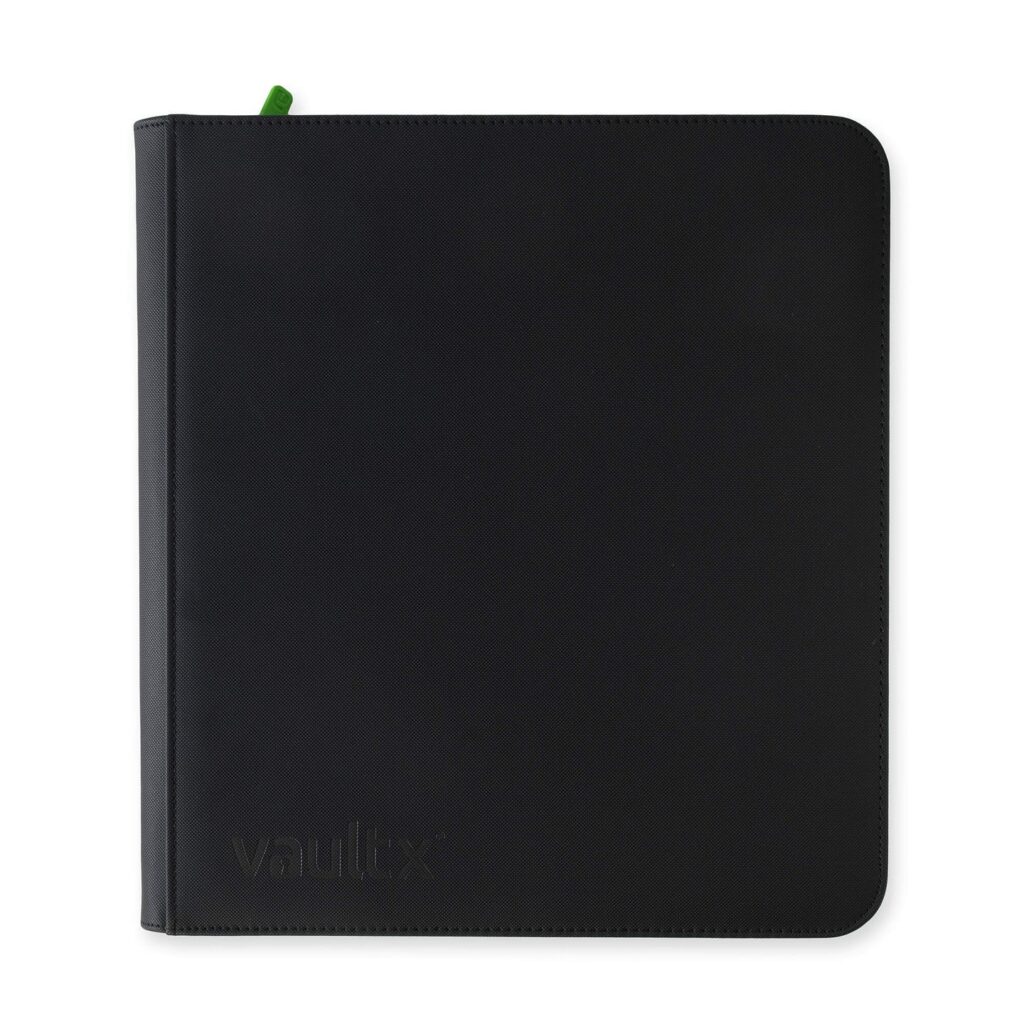
12-pocket, 480 spaces: more capacity and four-card rows, useful for playsets.
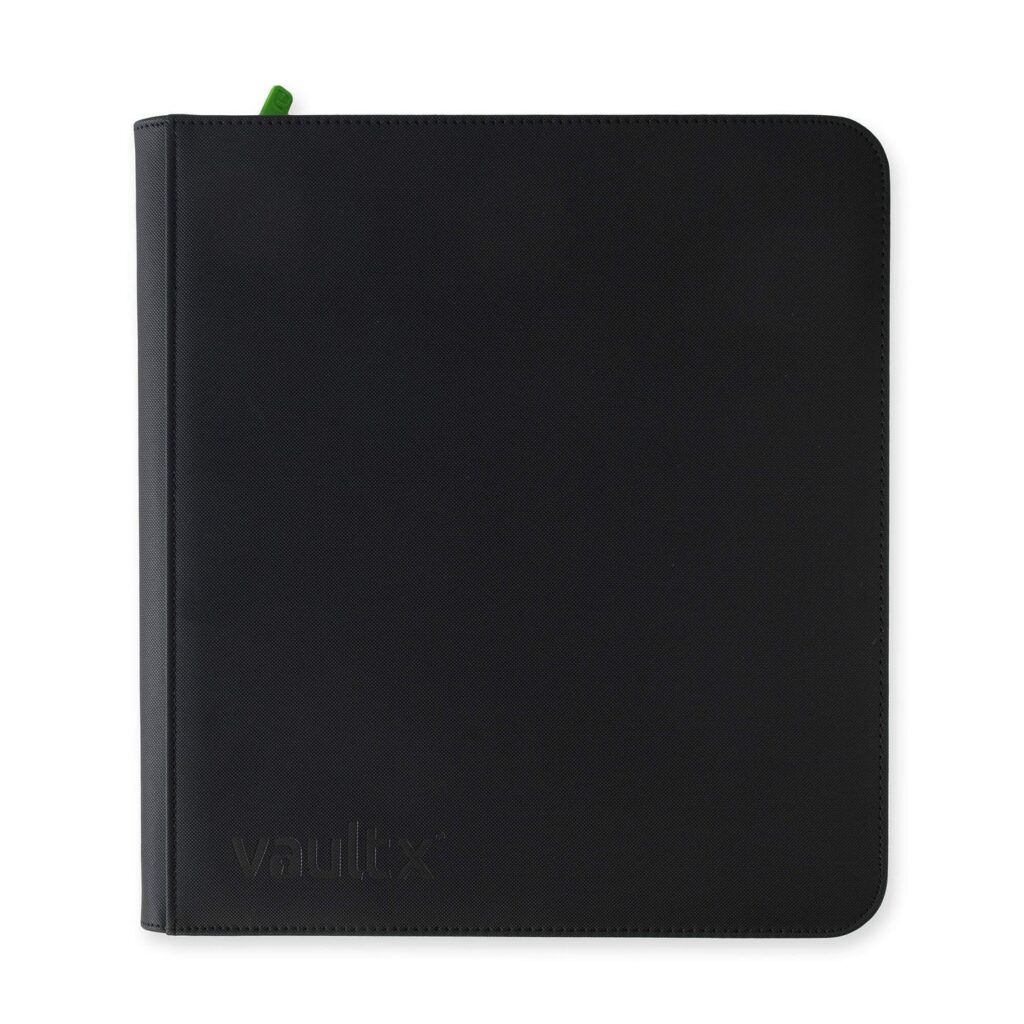
12-pocket XL, 624 spaces: extra pages for a larger plan, with the same pocket size.
Perfect for: collectors choosing a home for a set, playsets or personal favourites.
You’ll learn: how to count missing cards and planned gaps, choose a layout and check sleeve fit.
These figures describe the Vault X Exo-Tec Zip models below.
Related guide: Match Attax 2026/27 checklist
First, a little pocket maths
A nine-pocket face gives you three cards across and three down. Twelve-pocket adds a fourth column, still with three rows. That extra column is especially handy when four copies belong together, though it also makes the binder wider.
A page face means one side of a physical page. Both sides have their own pockets. The advertised capacity counts all of them, with one card in each pocket. These are the figures for the three Vault X Exo-Tec Zip models:
| Vault X Exo-Tec Zip | Total pockets | Layout on each face | Double-sided pages | Dimensions H × W × D |
|---|---|---|---|---|
| 9-pocket | 360 | 3 across × 3 down | 20 | 350 × 260 × 30–45 mm |
| 12-pocket | 480 | 4 across × 3 down | 20 | 350 × 330 × 30–45 mm |
| 12-pocket XL | 624 | 4 across × 3 down | 26 | 350 × 340 × 30–50 mm |
Twenty double-sided pages give you 360 pockets in the nine-pocket format, or 480 in twelve-pocket. The XL adds six more double-sided pages, taking the total to 624. XL means more pockets, with the same space inside each one. Keep that distinction in mind when we get to sleeves and holders.
Compare the Vault X Exo-Tec Zip binders
The card you’re missing still needs a home
There is a familiar temptation when sorting a half-finished set: close up the gaps and enjoy a few beautifully full pages. Then card 117 arrives and everything after it needs to shuffle along. Save its address now. An empty pocket earns its keep every time a new arrival goes straight where it belongs.
For Match Attax 2026/27, the official UK checklist compiled on 30 June 2026 lists 491 numbered cards and 68 additional entries, making 559 listed positions. We checked it on 7 October 2026; Topps marks it subject to change. Extra parallel versions and later releases need their own allowance.
That makes a 480-pocket binder eleven short of the numbered run. The 624-pocket XL has 133 spaces beyond those 491 cards, or 65 beyond all 559 listed entries. Deliberate gaps and extra versions come out of that allowance. These are capacity calculations: check your actual Match Attax cards and sleeves for physical fit, especially unusual formats.
The Match Attax 2026/27 checklist helps you decide where your collection begins and ends. Perhaps it is your club, a favourite player or one card family that caught your eye. There is plenty of pleasure in a collection with a clear boundary, even if you occasionally negotiate with yourself about moving it. If coloured versions are part of the plan, the rarity guide will help you decide which ones get a pocket.
Match Attax: when 450 cards need 600 pockets
Here is where page layout gets a vote. The checklist’s 25 club sections contain eighteen cards each: 450 cards altogether, numbered 10–459. Run them through consecutive pockets and a 480-pocket binder has thirty spaces left.
Now give every club two complete twelve-pocket faces, including the last club. Twelve cards fill the first face; six occupy the next. You get a fresh start for each team, with six empty pockets at the end of its section. Very orderly. Rather hungry for space.
Twenty-five clubs × 24 reserved positions = 600 positions for 450 cards. Those 150 blanks are part of the layout you have chosen. An XL can accommodate this club-only arrangement, with 24 positions left. Add the checklist’s other 109 entries and the plan exceeds 624, before those sections get any gaps of their own.
Eighteen cards happen to fill two nine-pocket faces exactly. It is a lovely fit for a club section, although the full 450-card project still needs more than one 360-pocket binder.
Sketch one club’s layout before sorting the season. You may love those clean starts. You may prefer to let the next team pick up halfway down a face. Discovering your preference with a pencil is much quicker than moving 450 cards.
Magic: the satisfaction of four in a row
Four copies, one row. For a Magic collector who keeps four-copy playsets, a twelve-pocket face has an obvious appeal. There is room for three complete playsets on each face, and the gaps show exactly which copies are still on the wants list. Even the row containing one lonely card has a plan.
Suppose you want 70 card names at four copies each. That is 280 pockets, even if you have only found 190 cards so far. Keeping the spaces beside each copy makes the collection easy to read as it grows. Matching printings can sit together; a playset gathered across different sets can tell its own little story.
All 280 cards fit a 360-pocket binder numerically. In its three-across grid, each four-copy playset continues onto another row. To keep every playset on the same face, put two playsets on each face and leave the ninth pocket spare. Seventy playsets use 35 faces, reserving 315 positions. That still fits within 360. The wider binder earns its appeal here through those four-card rows.
A Commander staples library has a different rhythm. Individual cards organised by colour, potential deck or sheer fondness for the artwork may gain little from a four-copy row. A narrower binder could suit you beautifully. Leave space for the way you actually browse, including that promising card waiting for a deck idea to catch up with it.
Yu-Gi-Oh!: a row made for three
For a Yu-Gi-Oh! collector who keeps three-copy playsets, the nine-pocket grid falls neatly into place: one trio per row, three trios per face. You can see the complete groups and the missing copies without searching across a row break. Finishing the third slot has the same quiet appeal as finishing Magic’s fourth.
Plan for 80 card names at three copies each and you need 240 pockets, including copies you still want. That leaves 120 in a 360-pocket binder before extra versions or deliberate gaps. A twelve-pocket binder remains a sensible option for a larger collection or a different arrangement; three-copy rows give you one useful reason to consider nine-pocket.
Of course, a page of favourite monsters or different rarities can follow its own logic. The same goes for artwork in any game: sometimes two cards simply look good beside each other. Lay out a sample face before committing.
Before you fill it, check the fit
A binder can have room for every card and still refuse to go into your bag. Vault X lists the regular twelve-pocket model as 70 mm wider than the nine-pocket. Check that against your shelf and the bag you take to games. The XL adds another 10 mm of width over the regular twelve-pocket, with more pages and a different listed depth range.
Inside, all three use 68 × 97 mm pockets. Vault X lists support for single- and double-sleeved standard-sized cards, including ordinary Magic cards. Double-sleeving means two sleeves around one card. Plan for one card per pocket and check the fit of the complete sleeved card.
Yu-Gi-Oh! uses the smaller Japanese-size card format, so choose sleeves intended for that size rather than standard-size Magic sleeves. The binder pockets remain 68 × 97 mm. Check how your fully sleeved card sits inside, particularly with an added outer sleeve.
Rigid holders need a separate check. A standard 3 × 4-inch Ultra PRO toploader measures 76.2 × 101.6 mm externally, exceeding these pockets in both directions. Moving up to XL cannot fix that: a collection staying in toploaders needs storage designed for those holders.
All three Exo-Tec Zip models have side-loading pockets and a zip closure. Give the contents room to sit comfortably. If you find yourself forcing a holder into place or squeezing duplicates behind another card, it is time to revisit the plan.
Give the collection a home you’ll enjoy opening
The 360-pocket nine-pocket makes sense when your whole plan fits and you like the narrower format or three-card rows. Three hundred favourites leave sixty pockets for deliberate gaps and future additions. If a good binder you own already does the job, keep enjoying it.
The 480-pocket twelve-pocket suits a collection that needs the extra capacity, or one that looks right in four-card rows. Those 280 Magic cards can be as good a reason to choose it as a collection of 400 singles.
The 624-pocket XL gives a larger plan more room. Count the cards still on your wants list, the versions you intend to keep and the blanks you want to leave. “Room to grow” becomes much more useful once you have a rough idea of what might move in.
There is also a lot to be said for separate volumes. A permanent collection can stay at home while a smaller selection travels for swaps. A project exceeding 624 positions might divide naturally by game, season or card family. Finding something quickly is part of the pleasure too.
Compare the three models above, or browse our trading card binders for the current options. Then comes the bit all this planning was for: the swap arrives, the gap disappears, and you turn the page just to enjoy it again.